Ōwatatsumi

Japanese (Shinto) tradition. See the whole pantheon.
Domains
the sea
Symbols and attributes
Sea palace
Parents (per the sources used)
Izanagi and Izanami
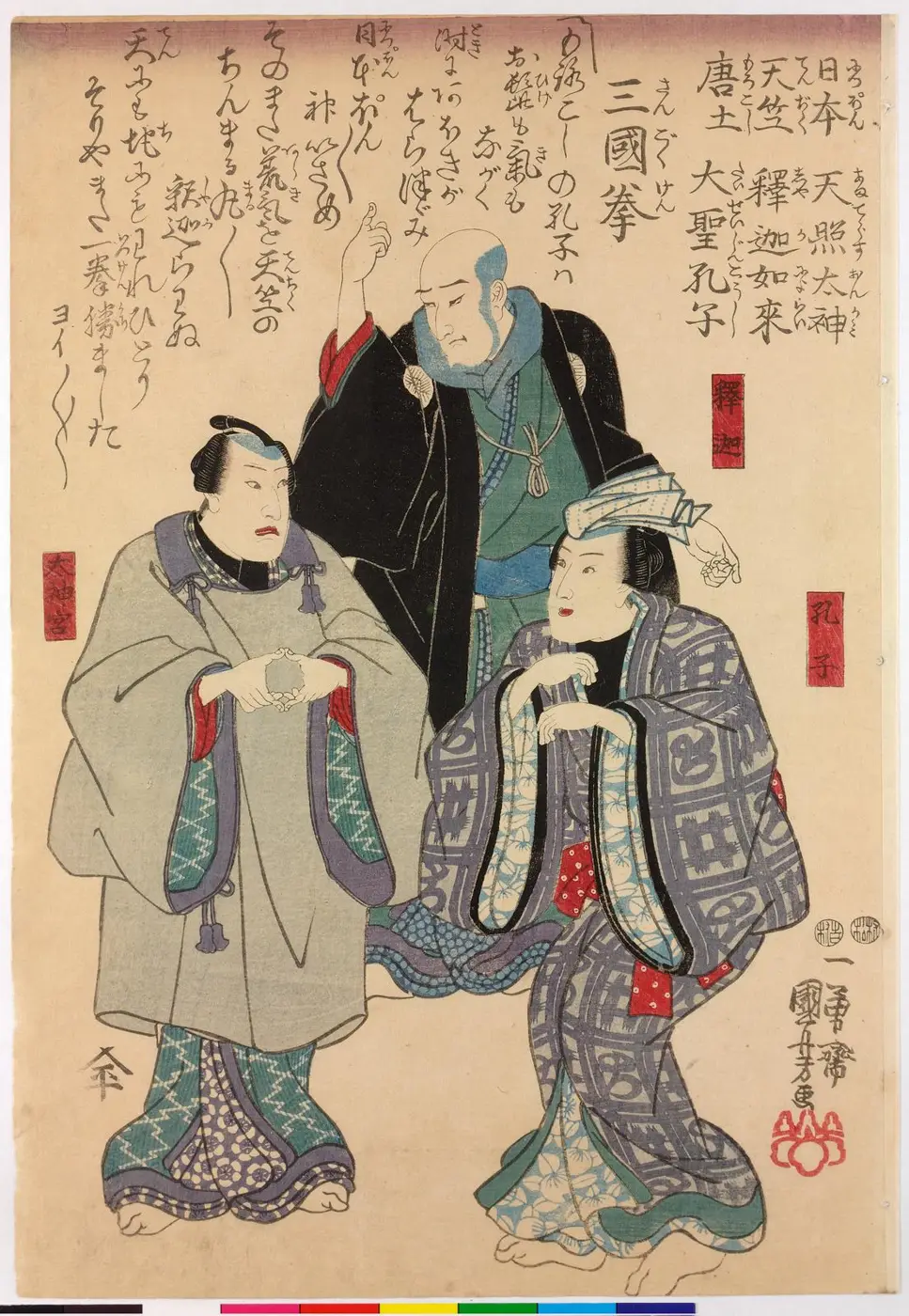
Utagawa Kuniyoshi, 'Sangoku ken', a 19th-century woodblock print.

Key myth

The great sea kami, born from the pair. In the story of Hoori, he is the sea king in whose palace the hero finds a wife; their grandson becomes Emperor Jimmu.

Where sources differ or caution applies. The Kojiki also has sea kami born from Izanagi's purification; versions differ.

Primary sources

  • Kojiki, Book 1 and Book 2 (Hoori and Toyotama)

All sources for the Japanese (Shinto) pantheon

Lineage in the sources used: Izanagi, Izanami.

Place in the family graph

Choose a deity to see where it comes from. Dashed lines are links the sources describe that are not parent and child.

IzanagiIzanamiAmaterasu ŌmikamiTsukuyomiSusanooKagutsuchiŌwatatsumiTakemikazuchiAme-no-UzumeŌkuninushiNinigiInari Ōkami

More traditions

Elsewhere in the world

Deities in other traditions who share a theme with Ōwatatsumi: sea and waters. This is overlap in one area only.

Norse

Ægir

the sea, brewer of the gods' ale

Norse

Rán

drowning, the sea's net

Egyptian

Nun

the primeval waters

Egyptian

Sobek

Nile, fertility, kingship

Mesopotamian

Nammu

the primeval sea, mother of the gods

Mesopotamian

Apsu

fresh water below the earth

Mesopotamian

Tiamat

salt water, primordial mother

Compare across cultures