Who begatthe gods?
Family graphs, deity pages and primary sources for eleven pantheons, plus a way to compare them without pretending they match.
Explore the pantheons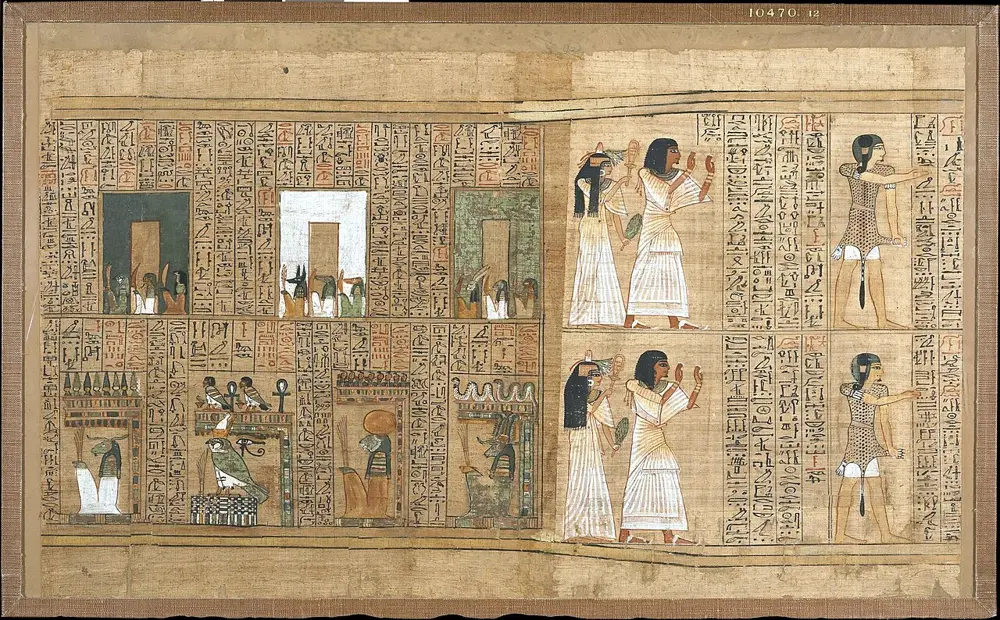
Eleven traditions, 168 deities
Each has a graph you can trace to its first beings, and a page for every deity with sources.
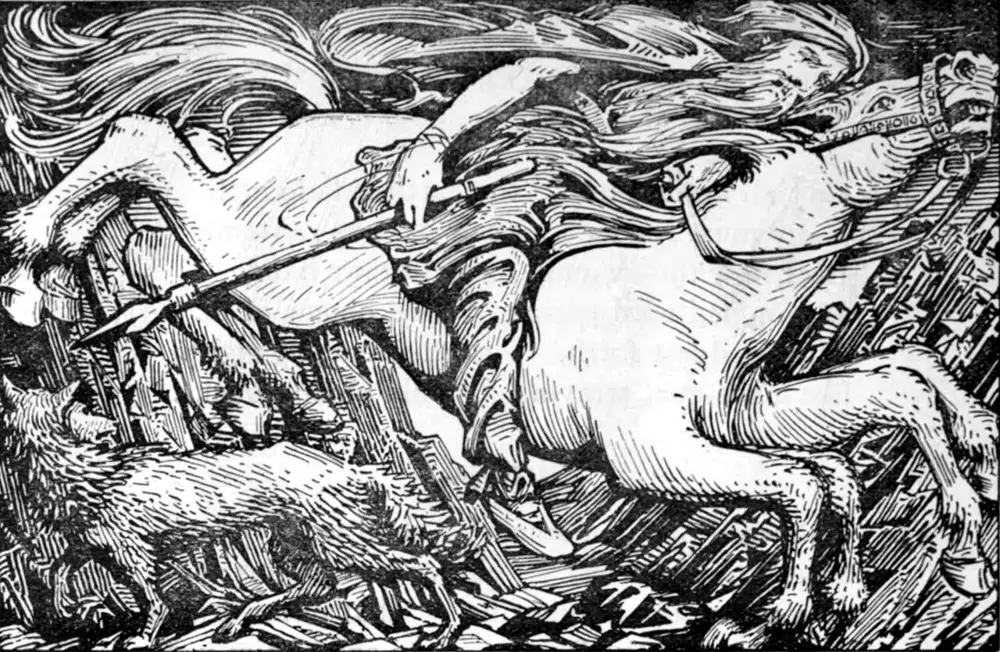
Norse
Odin, Thor and Loki as the Eddas tell them, and the giants they came from.
Egyptian
From Nun and Atum to Osiris and Horus, with four temple traditions side by side.
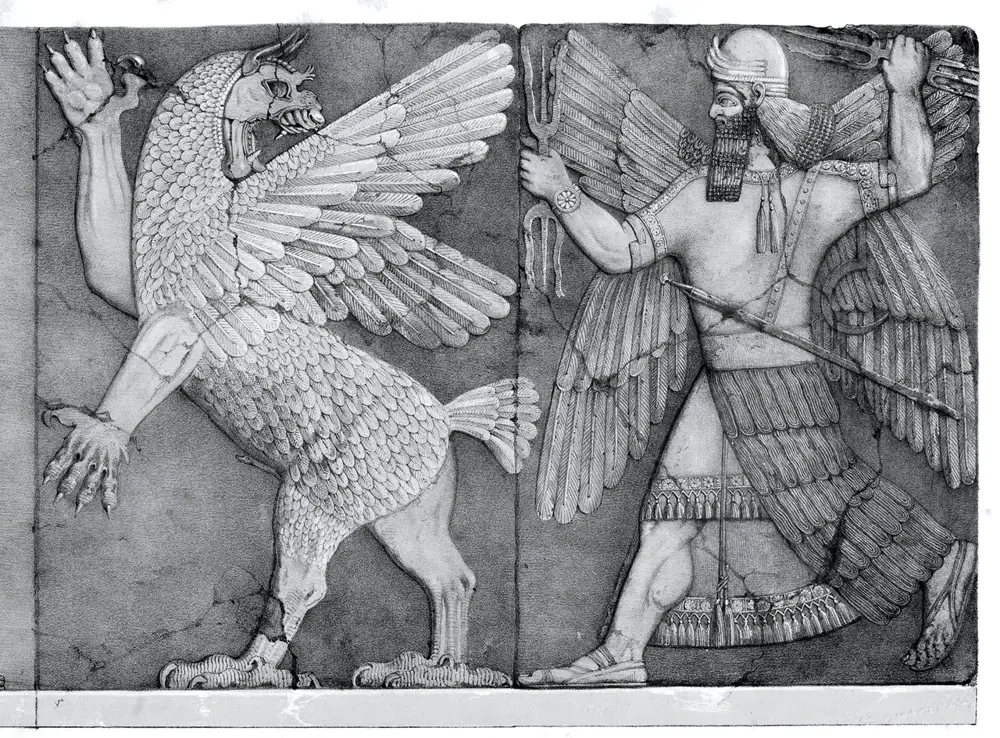
Mesopotamian
Sumerian and Babylonian gods, from Tiamat and Apsu to Inanna and Marduk.
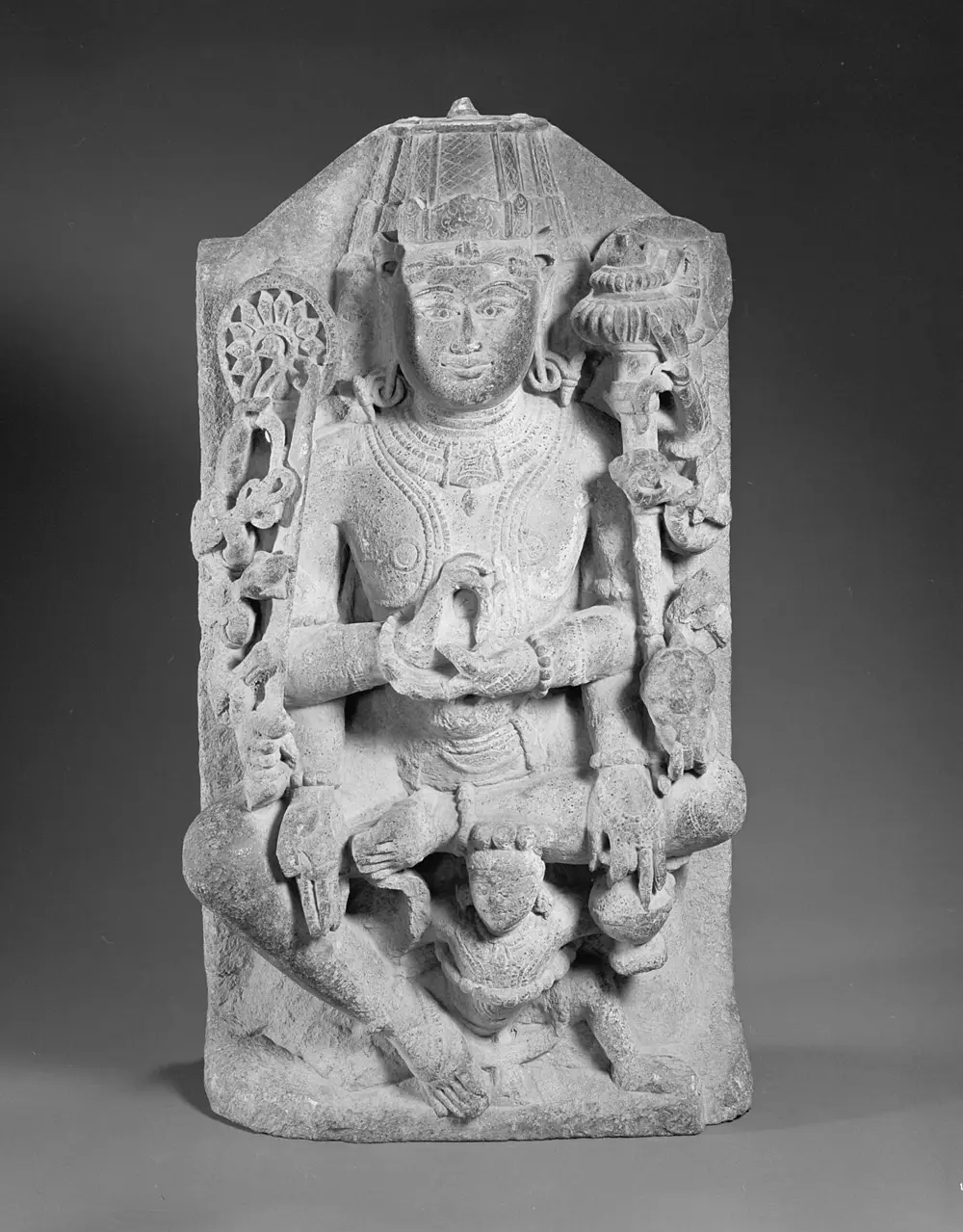
Hindu
Vedic and Puranic deities, worshipped by about 1.2 billion people today.
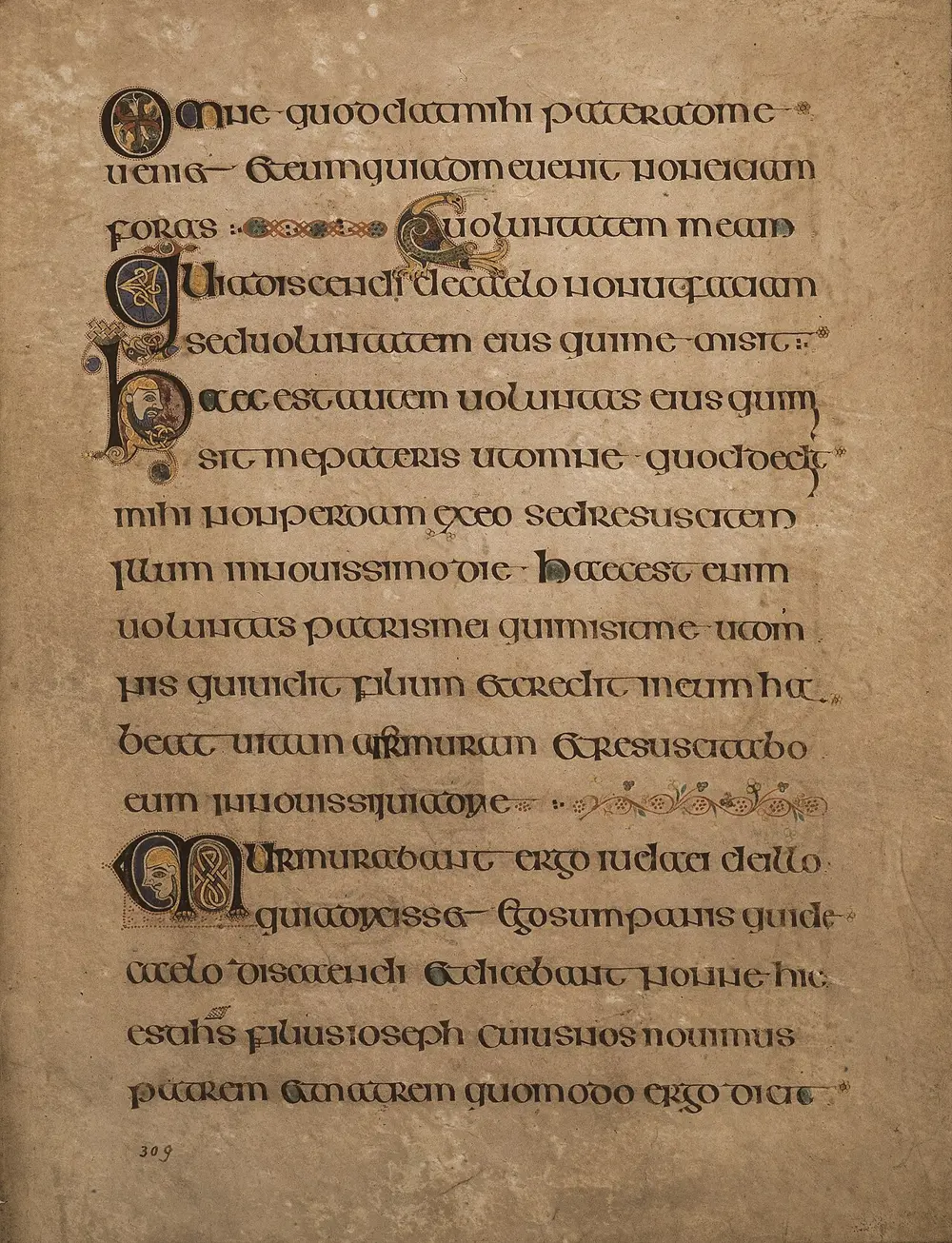
Celtic (Irish)
The Tuatha Dé Danann of Irish manuscripts: the Dagda, Lugh and the Morrígan.
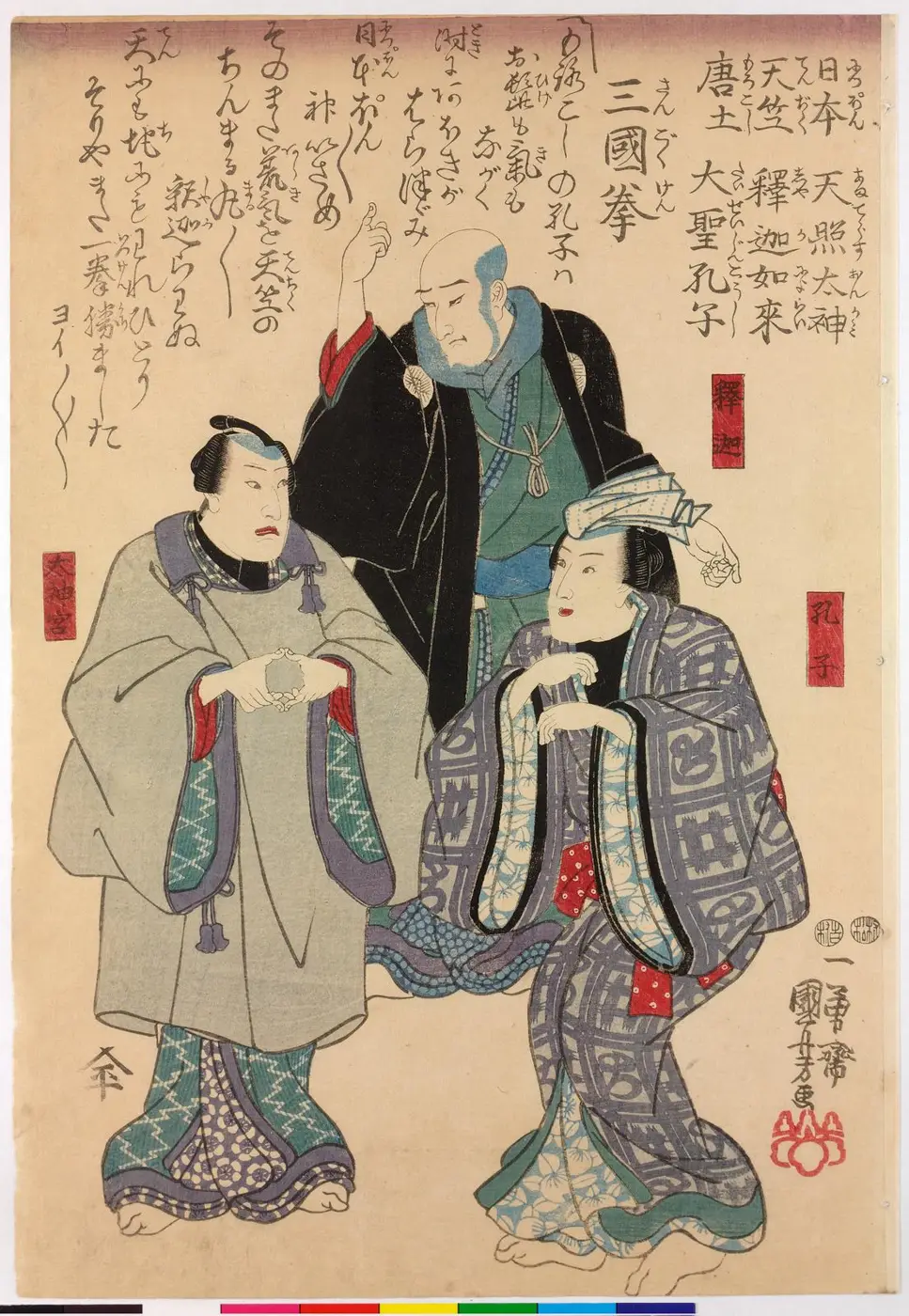
Japanese (Shinto)
Kami of the Kojiki, from Izanagi to Amaterasu, still honoured at Shinto shrines.
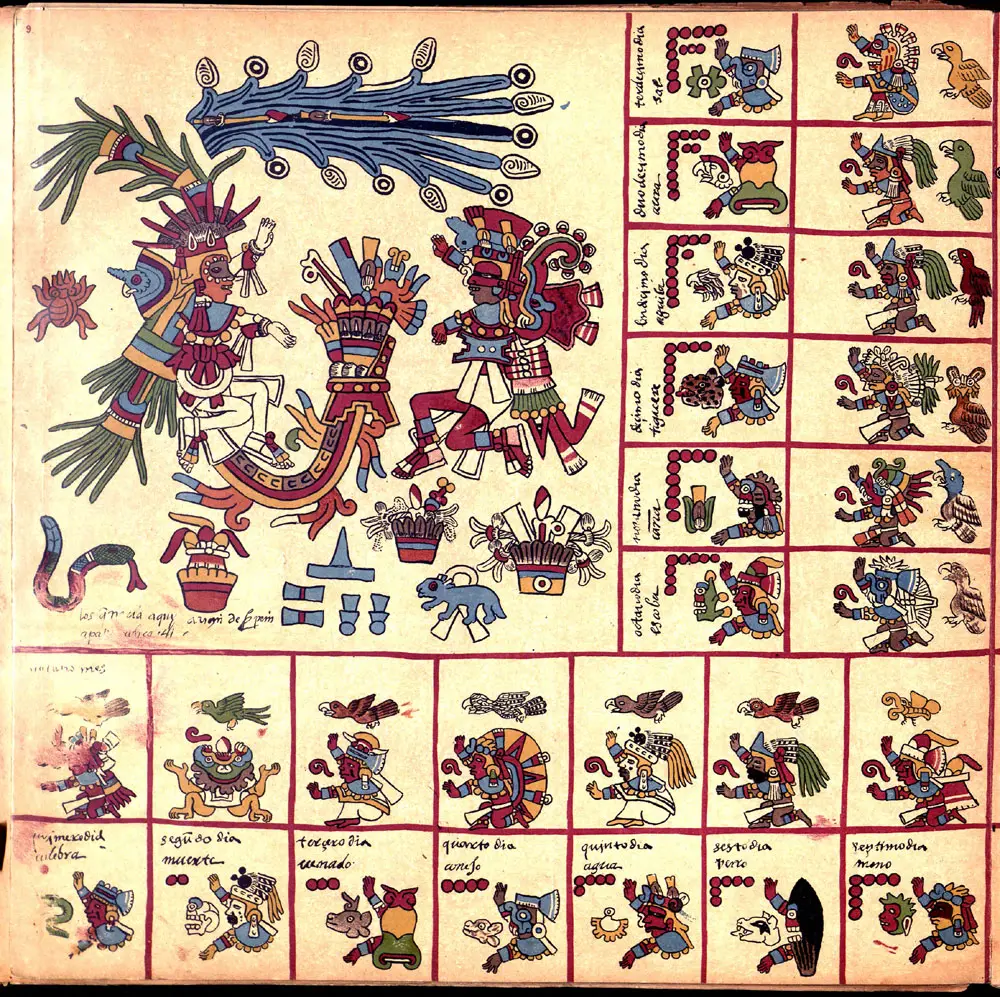
Aztec (Mexica)
Mexica gods in the Florentine Codex, recorded by friars alongside Nahua elders.
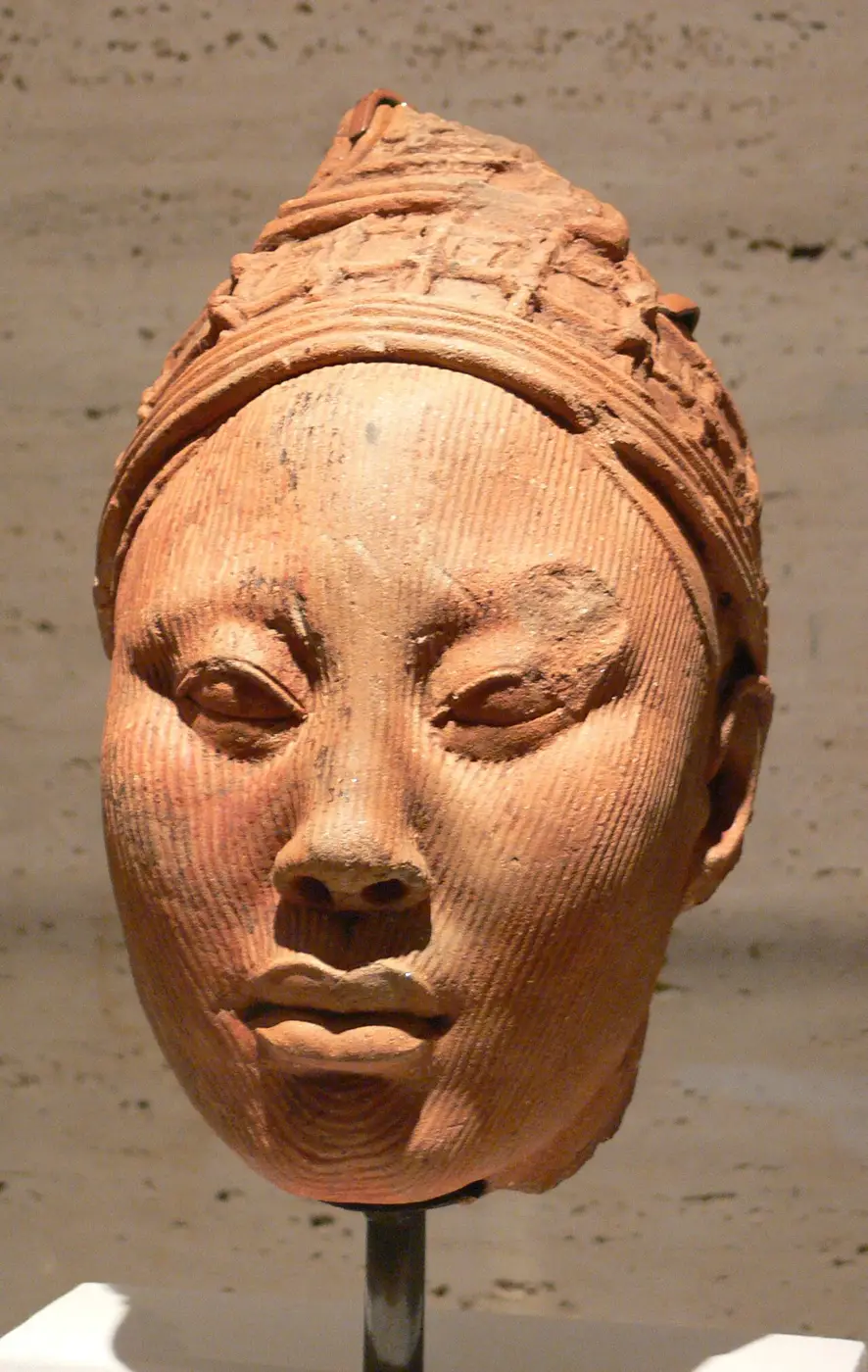
Yoruba (Orisha)
The orishas of Ifá, a living tradition in Nigeria, Benin and the Americas.
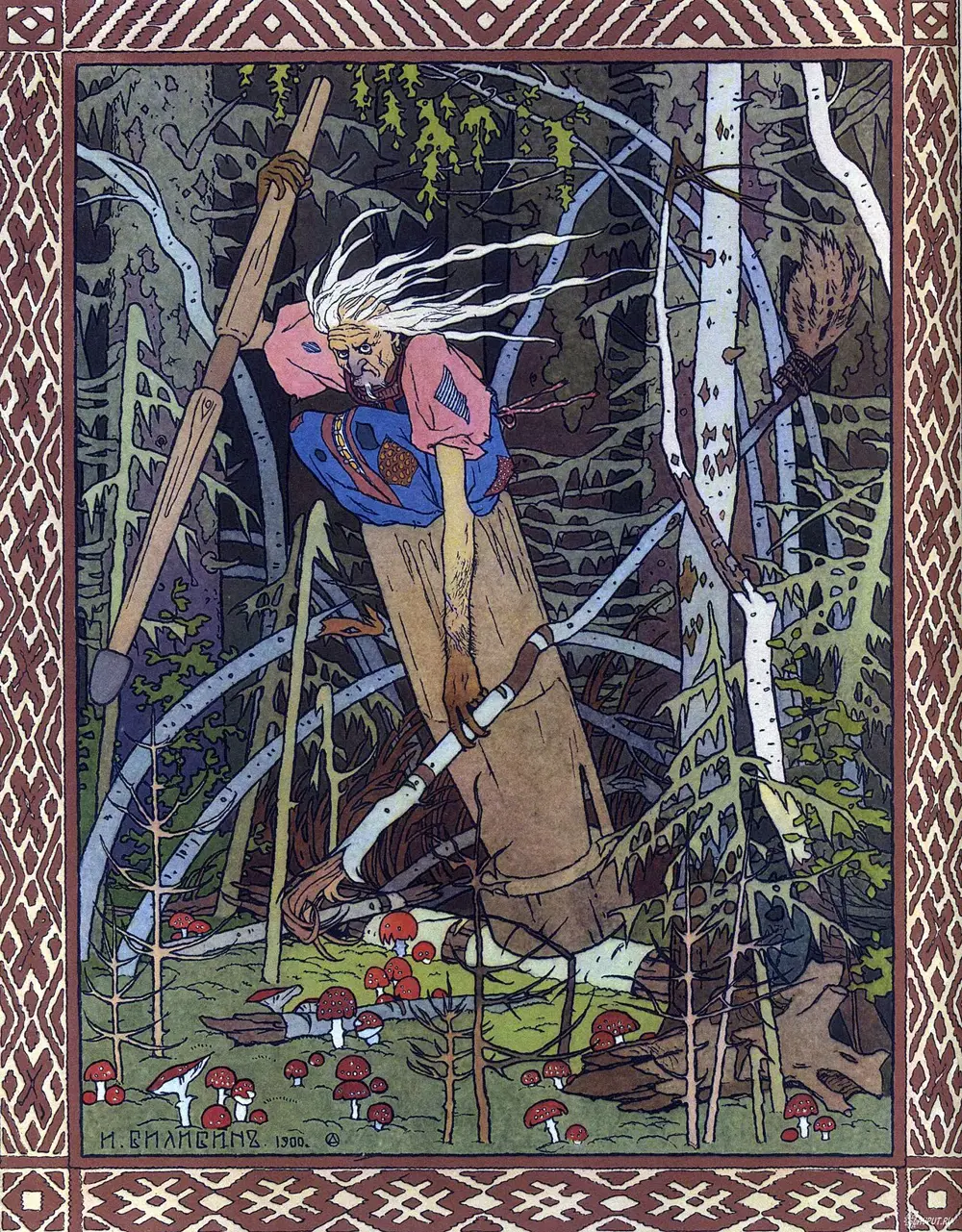
Slavic
What can and cannot be known: a few idols, a few chroniclers, much folklore.
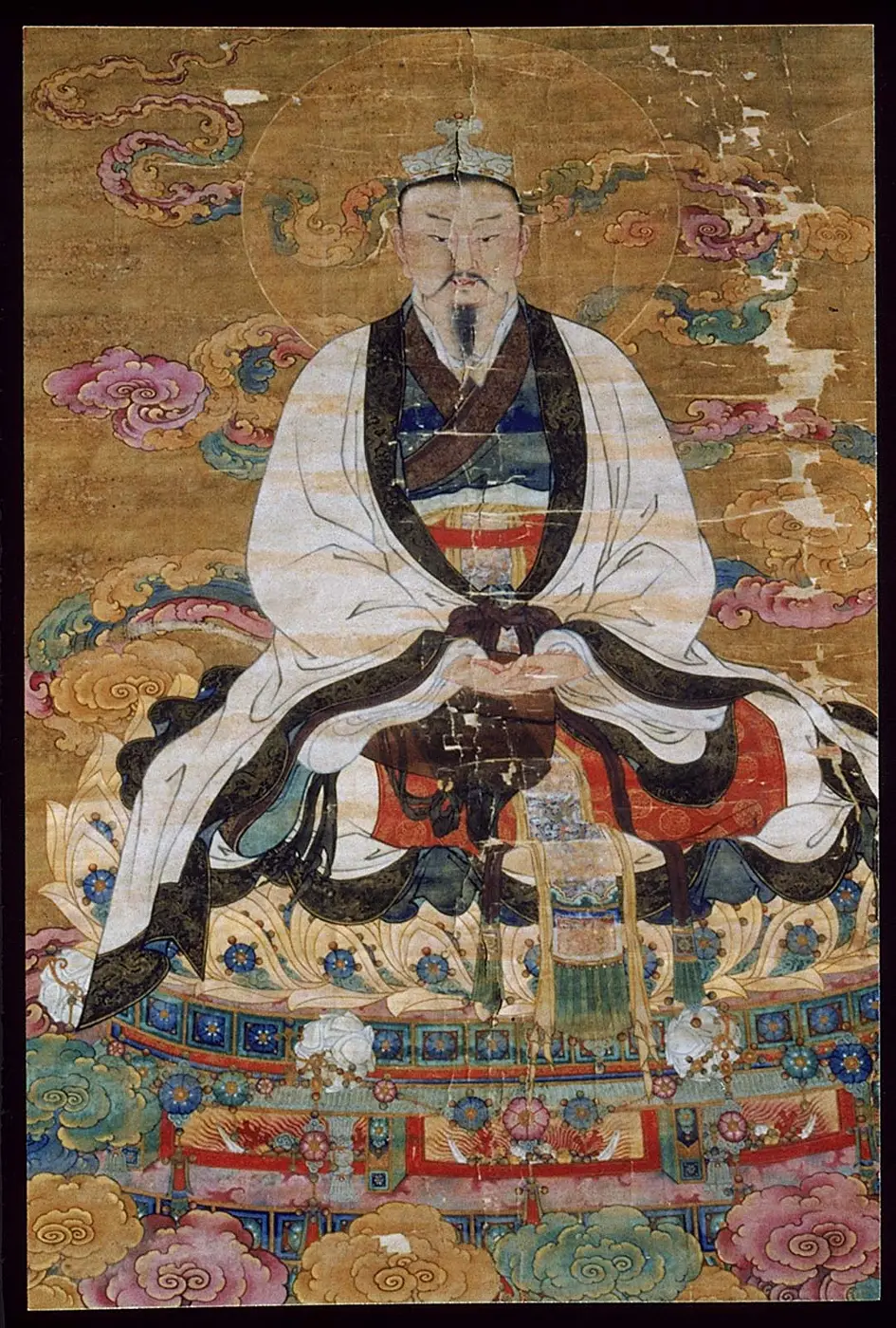
Chinese
Creators, heroes and a celestial bureaucracy, with deified people among them.
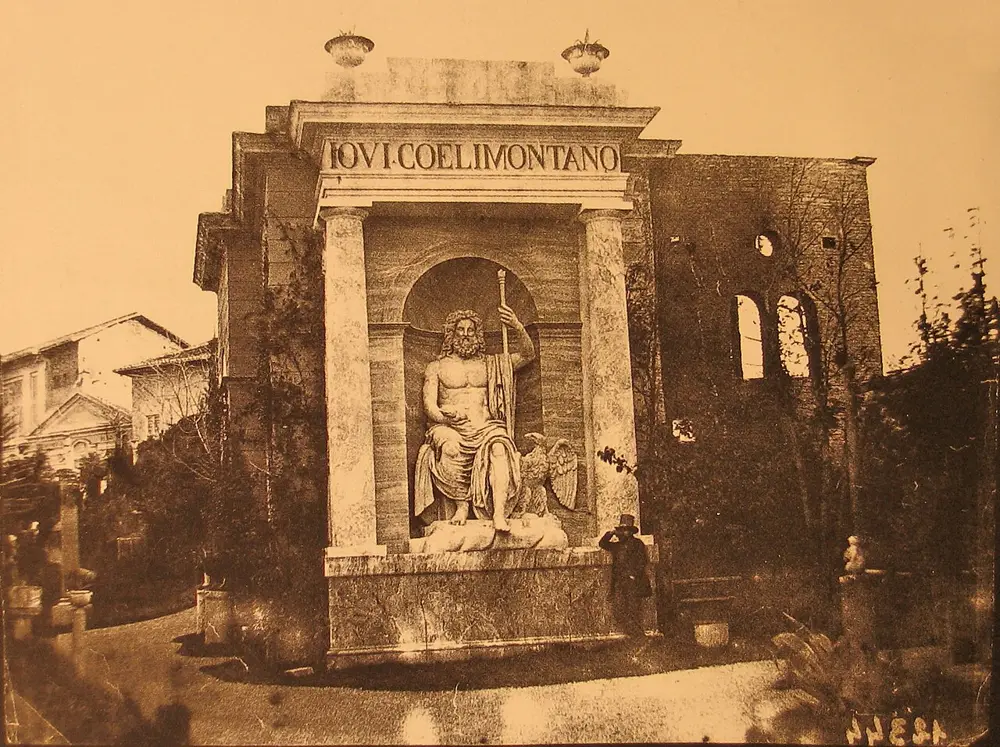
Roman
Jupiter, Janus and the state cult, with the Greek parallels sent to thegreekgods.org.
Greek
Hesiod's descent from Chaos, the Olympians and the Muses live on our sister site, thegreekgods.org.
Gods of the sea, the sun, the dead
Choose a theme to see which deities across the pantheons touch it. Each theme comes with a warning about what does not carry over.
Open the full toolNot just myths
Hindu, Yoruba and Shinto deities are worshipped today by hundreds of millions of people. Here they are described as traditions, with present-day practice stated on each pantheon page. Where a faith has ended, we say that too.