Mesopotamian
Sumer, Akkad, Babylonia, Assyria, c. 3000-500 BCE.
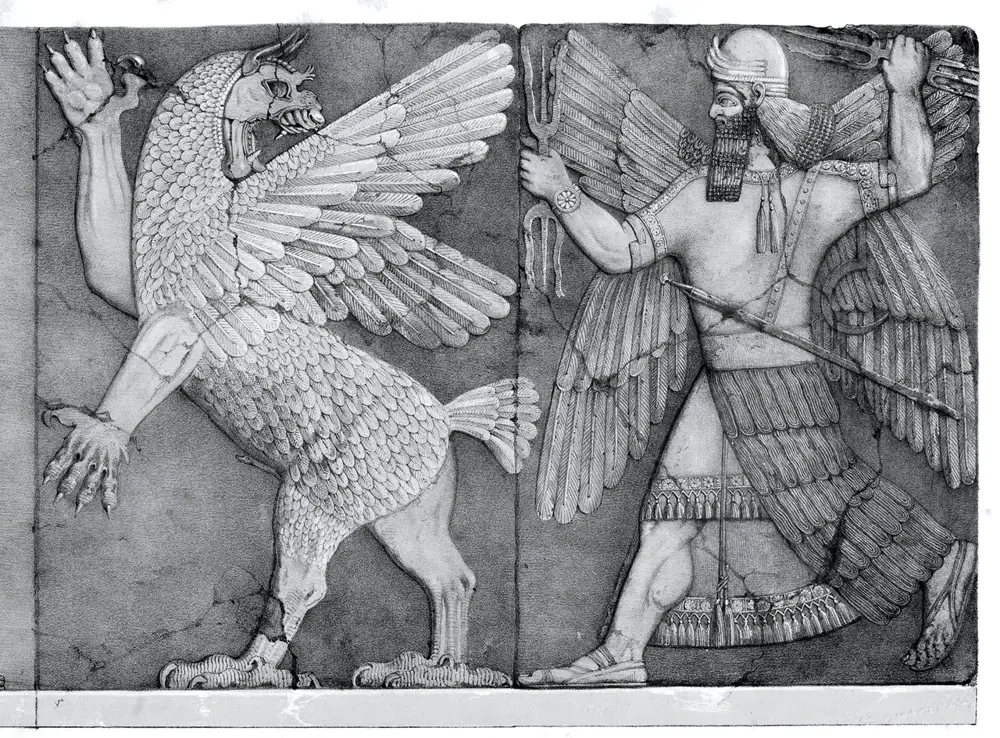
Sumerian (third millennium BCE) and Akkadian (Babylonian and Assyrian) traditions overlap, and the same god often has two names: An/Anu, Enki/Ea, Inanna/Ishtar, Utu/Shamash, Nanna/Sin. Genealogies differ between city traditions, and the tablets are often broken.
Family graph
Parent lines run downward, partners are joined by a thicker line. Select a deity to trace its ancestry.
The deities
Nammuthe primeval sea, mother of the godsApsufresh water below the earthTiamatsalt water, primordial motherAn / Anusky, heaven's kingEnlilwind, command, the fates of citiesNinlilgrain, wind (as Enlil's wife)Enki / Eafresh water, wisdom, craftNinhursagmountains, birth, earthNanna / Sinmoon, wisdom of timeUtu / Shamashsun, justiceInanna / Ishtarlove, war, the morning and evening starDumuzi / Tammuzshepherds, the dying and returning godEreshkigalthe underworldNergalplague, war, the underworldNinurtawar, farming, stormsMardukBabylon's patron, king of the gods in the first millennium
Today
No religion continuous with ancient Mesopotamia is practised today. Texts survive on clay tablets, thousands of which are now being translated.
More traditions
Sources used
- Enūma Eliš (Babylonian creation epic, c. 1100 BCE or earlier)
- Electronic Text Corpus of Sumerian Literature (ETCSL): Enki and Ninhursag, Enlil and Ninlil, Inanna's Descent, Dumuzi-Inanna songs
- Atrahasis (Old Babylonian epic)
- Epic of Gilgamesh, Standard Babylonian version
- Nergal and Ereshkigal