Celtic (Irish)
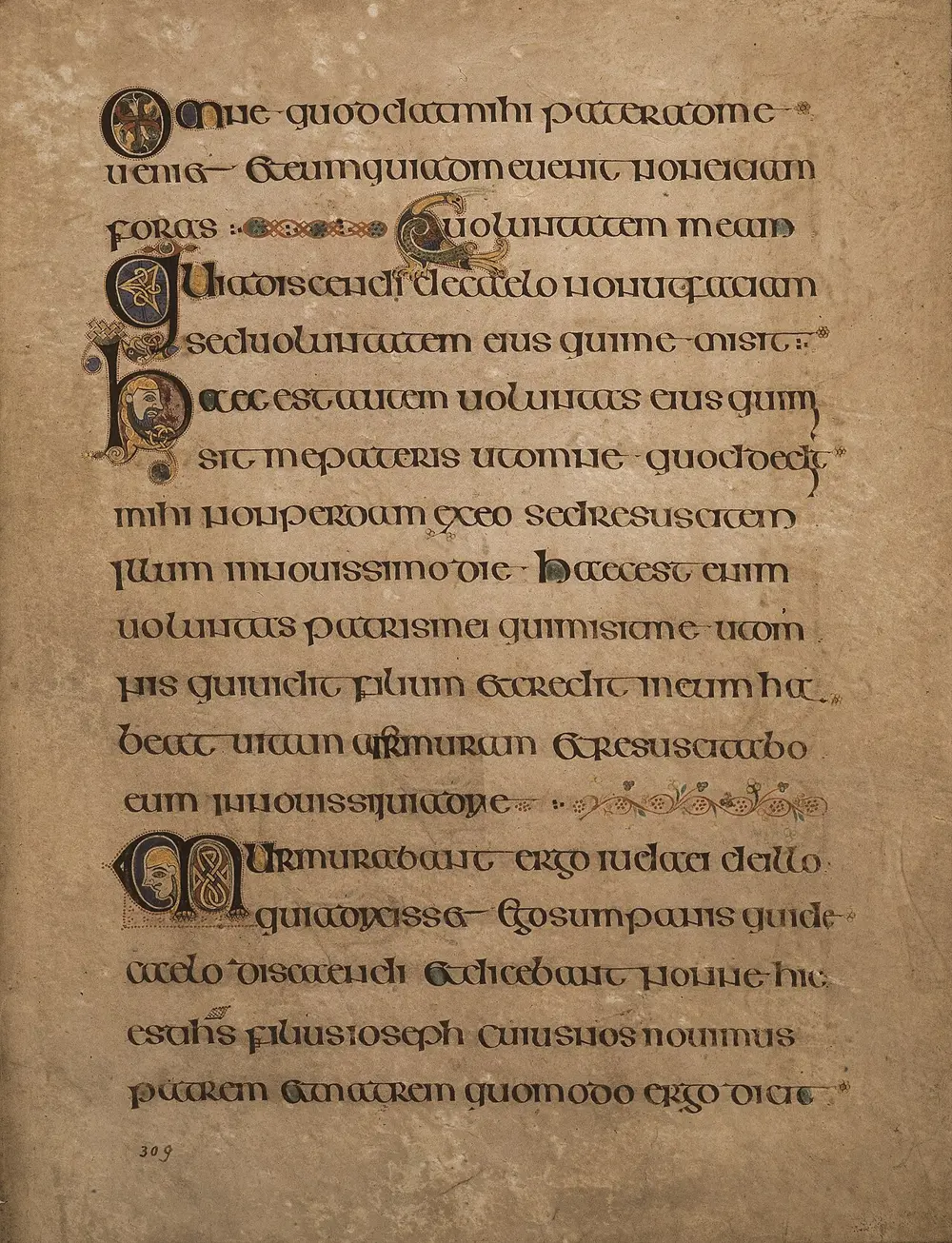
Ireland, as recorded in medieval texts.
These gods were written down by Christian monks, some centuries after belief had ended, and often euhemerised: the Tuatha Dé Danann became a race of ancient kings and then fairy folk. 'Celtic' also covers Gaul, Britain and Wales, whose records differ greatly; this section covers Irish tradition only, because the sources are fullest.
Family graph
Parent lines run downward, partners are joined by a thicker line. Select a deity to trace its ancestry.
The deities
Today
Irish Celtic religion ended with Christianisation in the 5th-7th centuries. Today modern Druidry and Celtic Pagan groups draw on these stories; they are modern reconstructions rather than continuous tradition, and some Irish people regard the old beings as part of folklore (the Aos Sí).
More traditions
Sources used
- Lebor Gabála Érenn (Book of the Taking of Ireland, 11th century compilation)
- Cath Maige Tuired (The Second Battle of Moytura)
- Táin Bó Cúailnge
- Cormac's Glossary (c. 900)
- Dindsenchas (lore of places)
- Corpus of Electronic Texts (CELT), University College Cork