Lugh

Also: Lugh Lámhfhada

Celtic (Irish) tradition. See the whole pantheon.

Domains
skill in all arts, kingship, the sun (in later readings)
Symbols and attributes
Spear; sling
Parents (per the sources used)
Cian and Ethniu
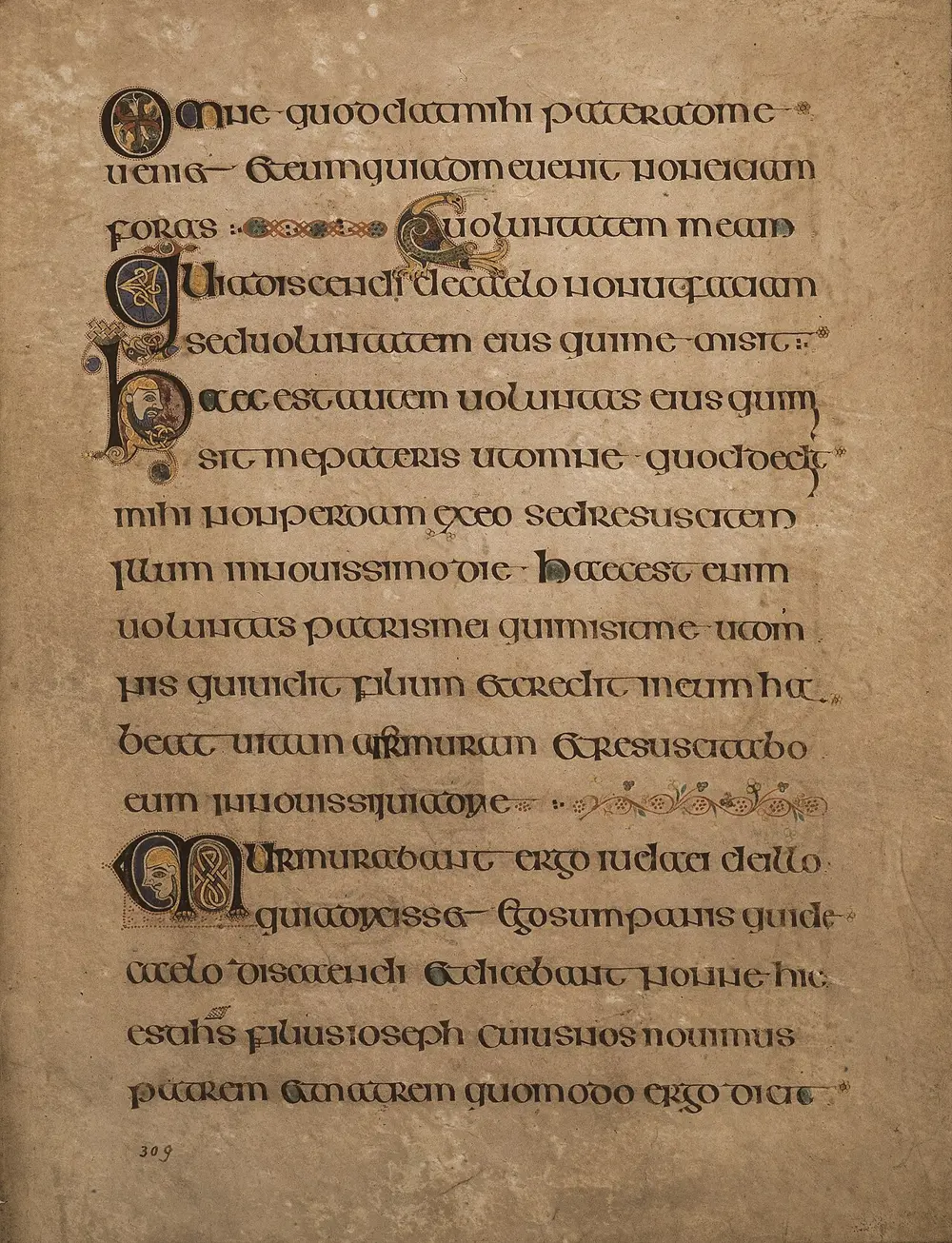
Folio 309r of the Book of Kells (Trinity College Dublin), c. 800.

Key myth

At Tara, the doorkeeper turns him away until he lists every craft he practises, and he becomes leader of the gods against the Fomorians. The festival of Lughnasadh is named for him.

Where sources differ or caution applies. The sun-god reading is a modern interpretation.

Primary sources

  • Cath Maige Tuired

All sources for the Celtic (Irish) pantheon

Lineage in the sources used: Cian, Ethniu, Balor.

Place in the family graph

Choose a deity to see where it comes from. Dashed lines are links the sources describe that are not parent and child.

DanuLirManannán mac LirThe DagdaThe MorríganBoannNuadaBalorOgmaDian CéchtBrigidAengus ÓgEthniuCianLugh

More traditions

Elsewhere in the world

Deities in other traditions who share a theme with Lugh: craft, smiths and making, sky, storm and thunder, war and fighting, the sun and light. This is overlap in one area only.
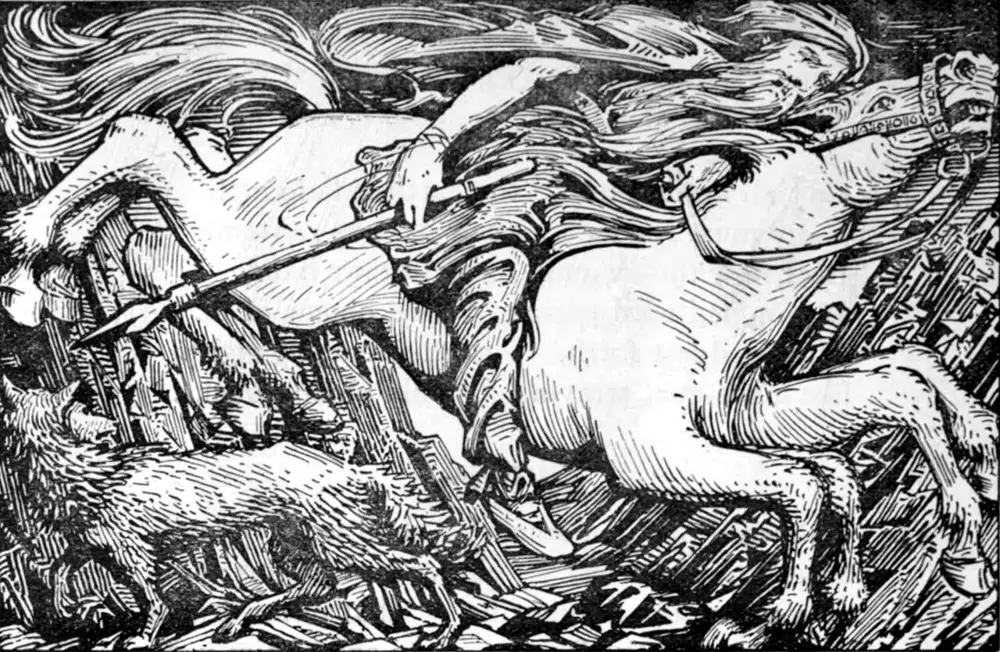
Norse

Odin

wisdom, poetry, war

Norse

Thor

thunder, protection of gods and people, strength

Norse

Freyr

peace, fertility, sunshine

Norse

Freyja

love, desire, magic (seiðr)

Norse

Týr

law, oaths, war

Egyptian

Atum

creator, the completed one

Egyptian

Ra

sun, kingship, order

Compare across cultures