Brigid

Celtic (Irish) tradition. See the whole pantheon.

Domains
poetry, healing, smithcraft
Symbols and attributes
Fire; Imbolc
Parents (per the sources used)
The Dagda
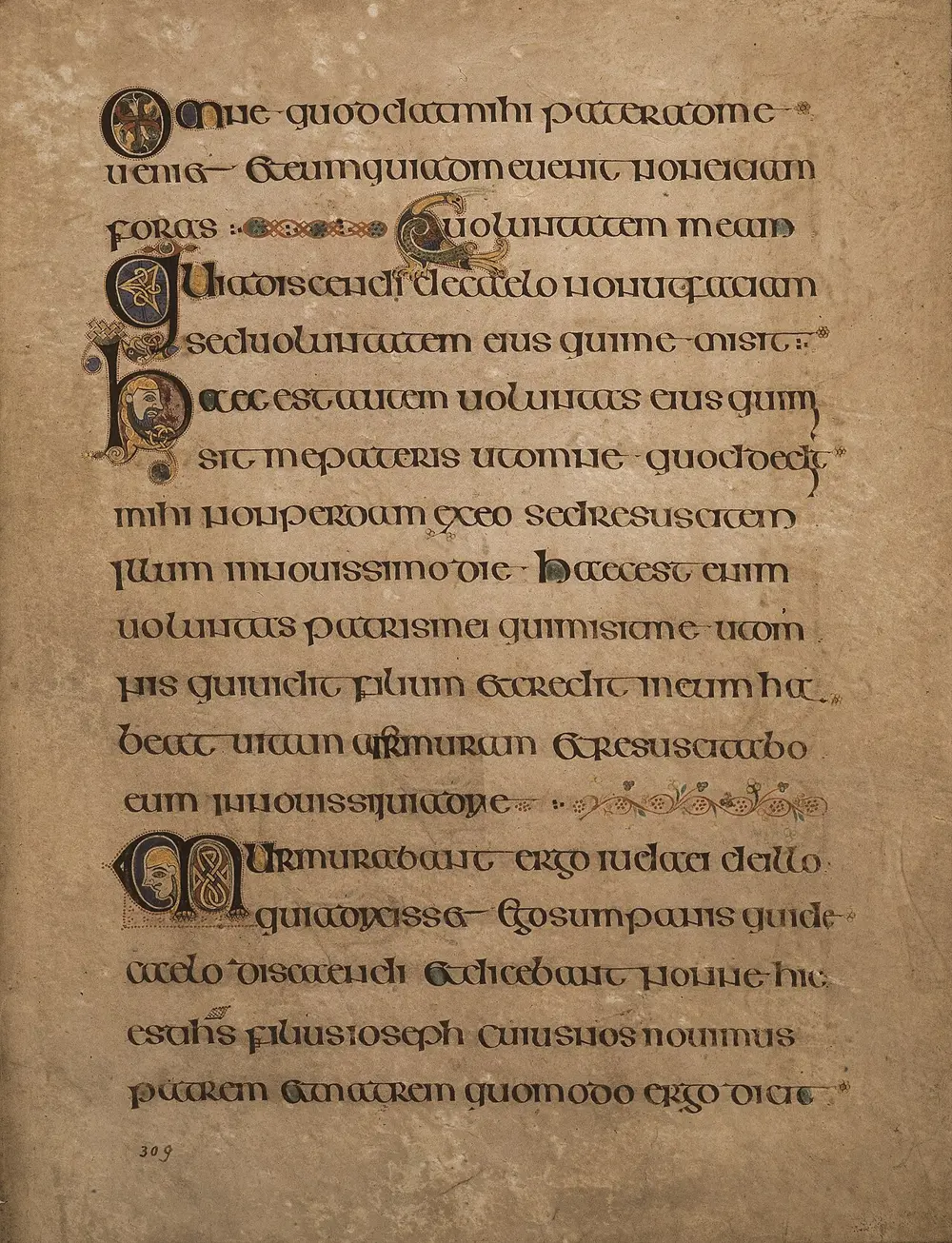
Folio 309r of the Book of Kells (Trinity College Dublin), c. 800.

Key myth

Cormac's Glossary says she was a goddess of poets and that there were three Brigids: of poetry, of healing and of smithcraft. The saint of the same name, Brigid of Kildare, has overlapping associations.

Where sources differ or caution applies. Whether St Brigid continues a goddess cult is debated; the saint's earliest lives are the earliest sources for her.
Primary sources

  • Cormac's Glossary
  • Lebor Gabála Érenn

All sources for the Celtic (Irish) pantheon

Lineage in the sources used: The Dagda.

Place in the family graph

Choose a deity to see where it comes from. Dashed lines are links the sources describe that are not parent and child.

DanuLirManannán mac LirThe DagdaThe MorríganBoannNuadaBalorOgmaDian CéchtBrigidAengus ÓgEthniuCianLugh

More traditions

Elsewhere in the world

Deities in other traditions who share a theme with Brigid: craft, smiths and making, wisdom, writing and divination. This is overlap in one area only.

Norse

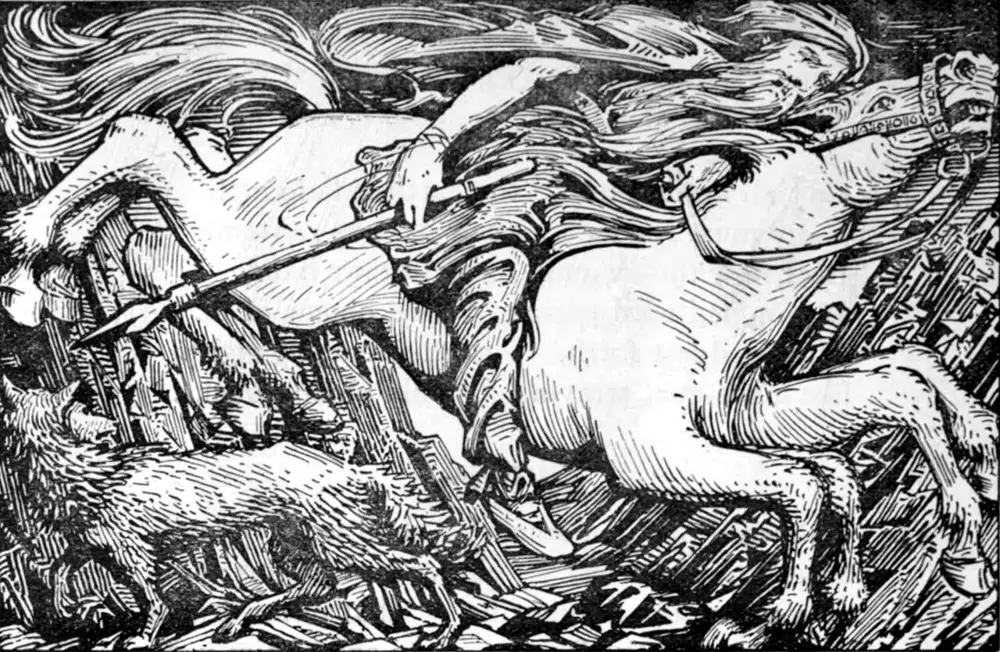
Odin

wisdom, poetry, war

Norse

Frigg

foresight, marriage, motherhood

Egyptian

Isis

magic, protection, motherhood

Egyptian

Thoth

writing, moon, wisdom

Egyptian

Maat

truth, order, justice

Egyptian

Ptah

craftsmen, creation by speech

Mesopotamian

Enki / Ea

fresh water, wisdom, craft

Compare across cultures