Shiva

Hindu tradition. See the whole pantheon.

Domains
destruction and renewal, asceticism, yoga, dance
Symbols and attributes
Trident, lingam, crescent moon, bull Nandi, Ganges in hair
Partner
Parvati
Children
Ganesha, Kartikeya
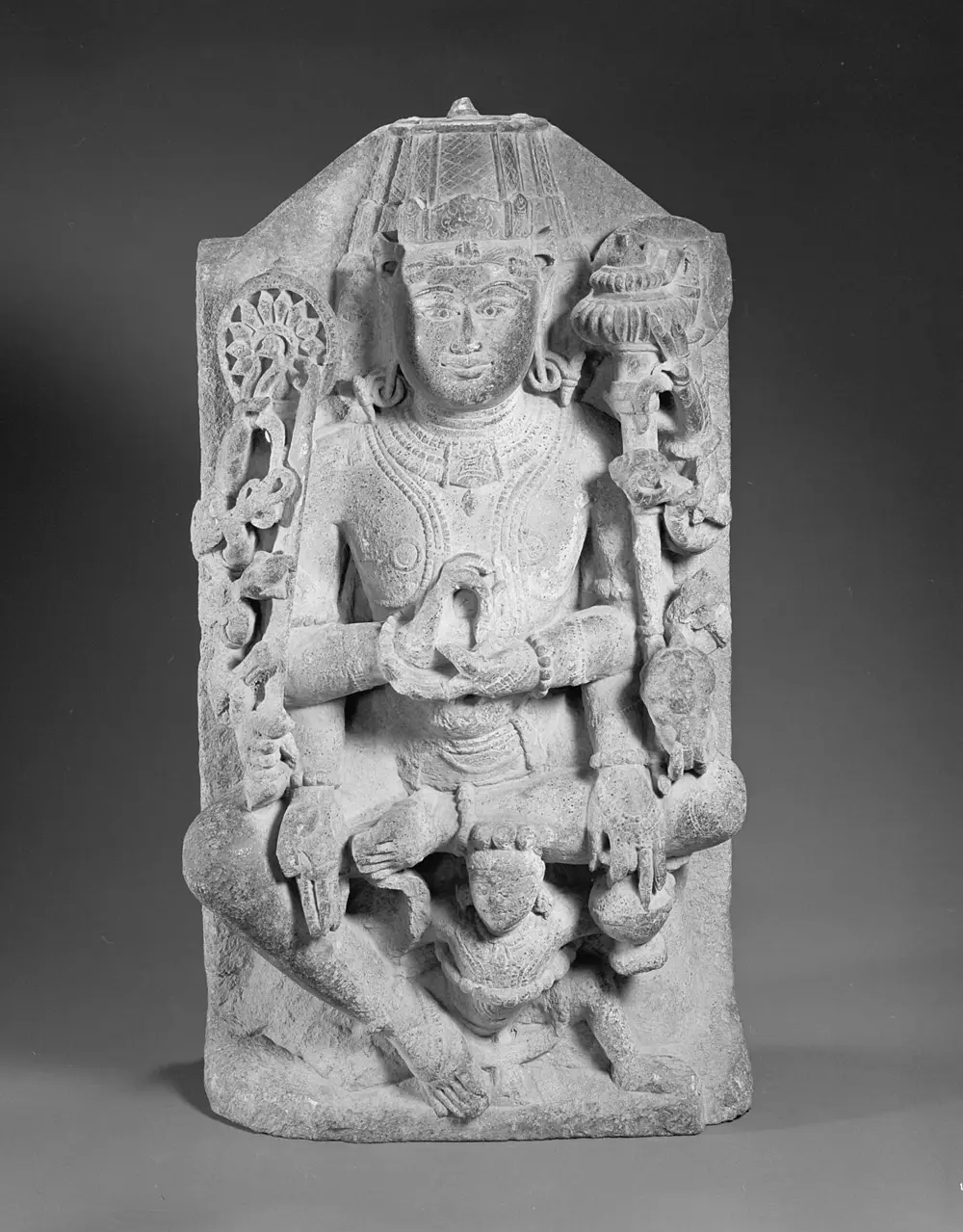
Vishvarupa Vishnu, Kashmir or Himachal, in the Los Angeles County Museum of Art collection.

Key myth

The Shaivas regard him as the supreme god. In the Puranas he drinks the poison from the churning of the ocean, turning his throat blue, and he is the lord of dance (Nataraja).

Where sources differ or caution applies. Rudra, a fierce Vedic storm god, is the older figure often linked with Shiva.
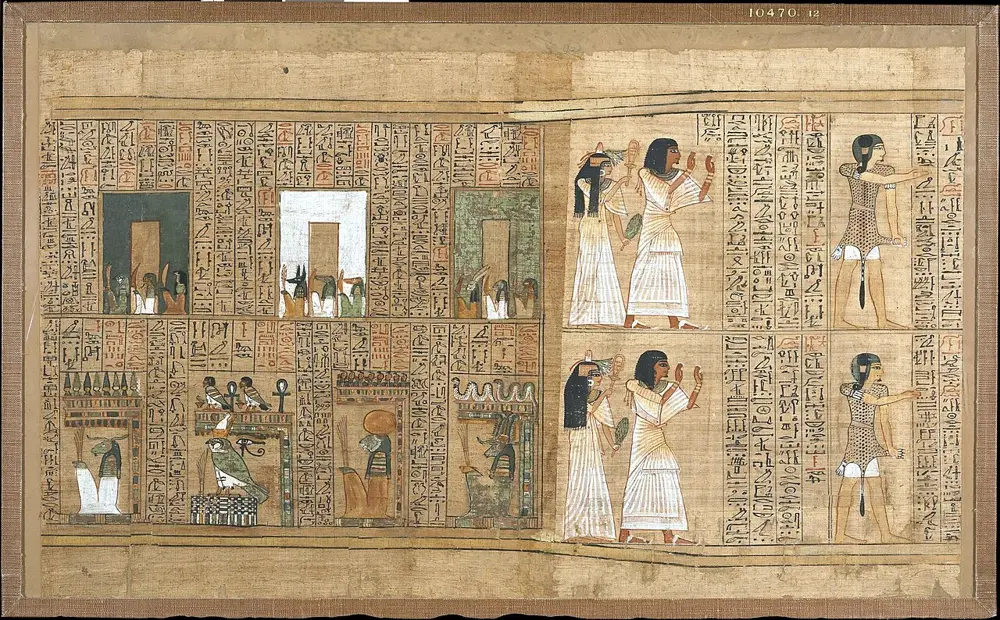
Primary sources

  • Rigveda 2.33 (Rudra)
  • Shiva Purana
  • Shvetashvatara Upanishad

All sources for the Hindu pantheon

Place in the family graph

Choose a deity to see where it comes from. Dashed lines are links the sources describe that are not parent and child.

Dyaus PitarPrithviIndraAgniVarunaSuryaYamaUshasVishnuLakshmiShivaParvatiSaraswatiGaneshaKartikeyaDurgaKrishna

More traditions

Elsewhere in the world

Deities in other traditions who share a theme with Shiva: death and the underworld, creation and first beings. This is overlap in one area only.

Norse

Ymir

first giant, raw material of the world

Norse

Búri

first of the gods

Norse

Borr

father of Odin, Vili and Vé

Norse

Odin

wisdom, poetry, war

Norse

Baldr

light, beauty, mercy

Norse

Hel

the dead who die of sickness or age

Norse

Freyja

love, desire, magic (seiðr)

Compare across cultures