Svantevit

Also: Sventovit, Svetovid

Slavic tradition. See the whole pantheon.

Domains
war, fertility, divination
Symbols and attributes
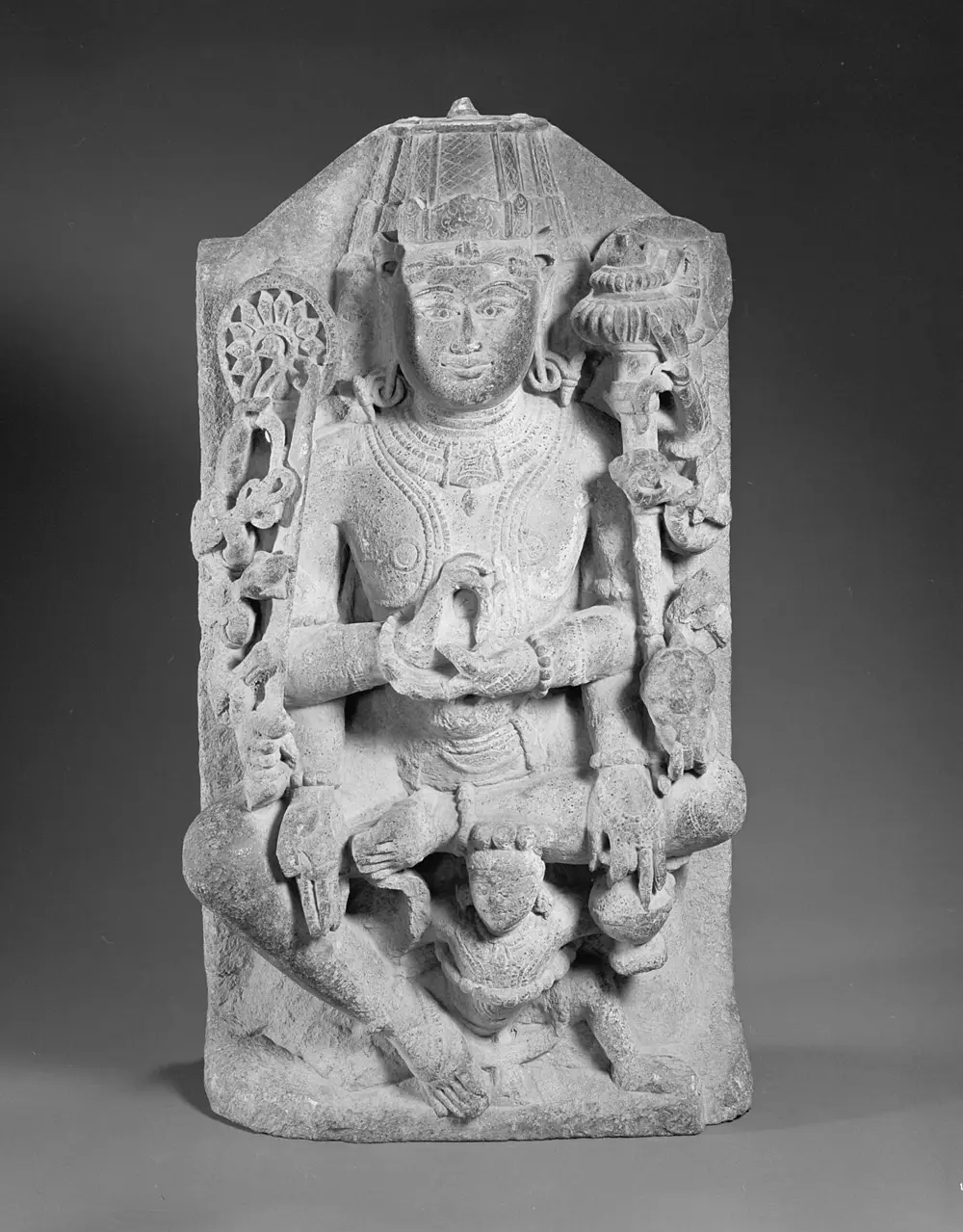
Four heads; horn; white horse
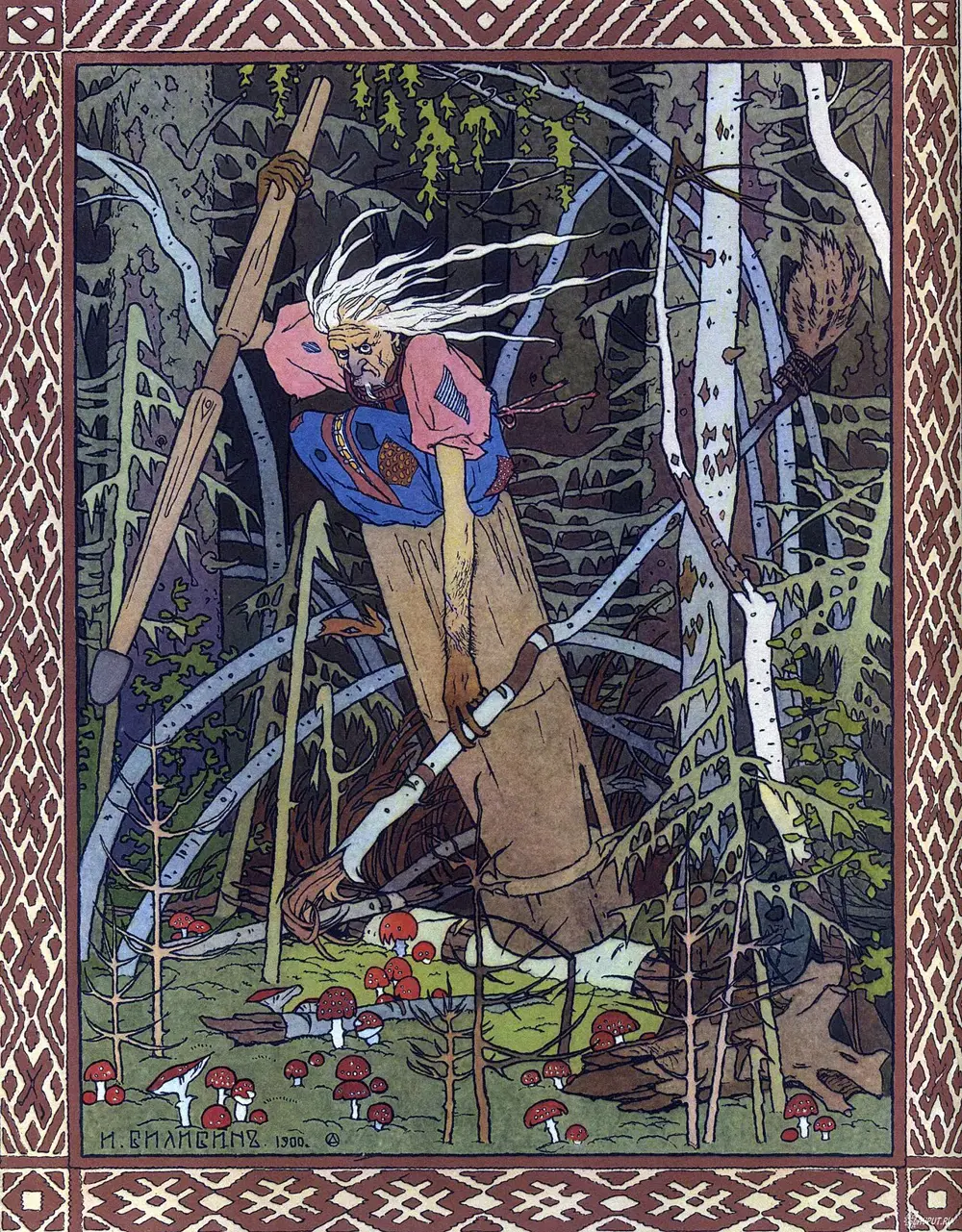
Ivan Bilibin, Baba Yaga, an illustration for a Russian fairy tale (1900s).

Key myth

At Arkona on Rügen, Saxo says the temple held a huge four-headed statue holding a horn of mead, which priests used to predict the harvest. The Danish king Valdemar destroyed the temple in 1168.

Where sources differ or caution applies. Whether Svantevit was a sun god or war god is argued; Saxo links him to St Vitus.

Primary sources

  • Saxo Grammaticus, Gesta Danorum XIV
  • Helmold, Chronica Slavorum

All sources for the Slavic pantheon

Place in the family graph

Choose a deity to see where it comes from. Dashed lines are links the sources describe that are not parent and child.

SvarogDazhbogPerunVeles / VolosMokoshStribogKhorsSimarglSvantevitChernobogMarzanna / Morana

More traditions

Elsewhere in the world

Deities in other traditions who share a theme with Svantevit: war and fighting, the sun and light, earth, harvest and fertility. This is overlap in one area only.
Norse

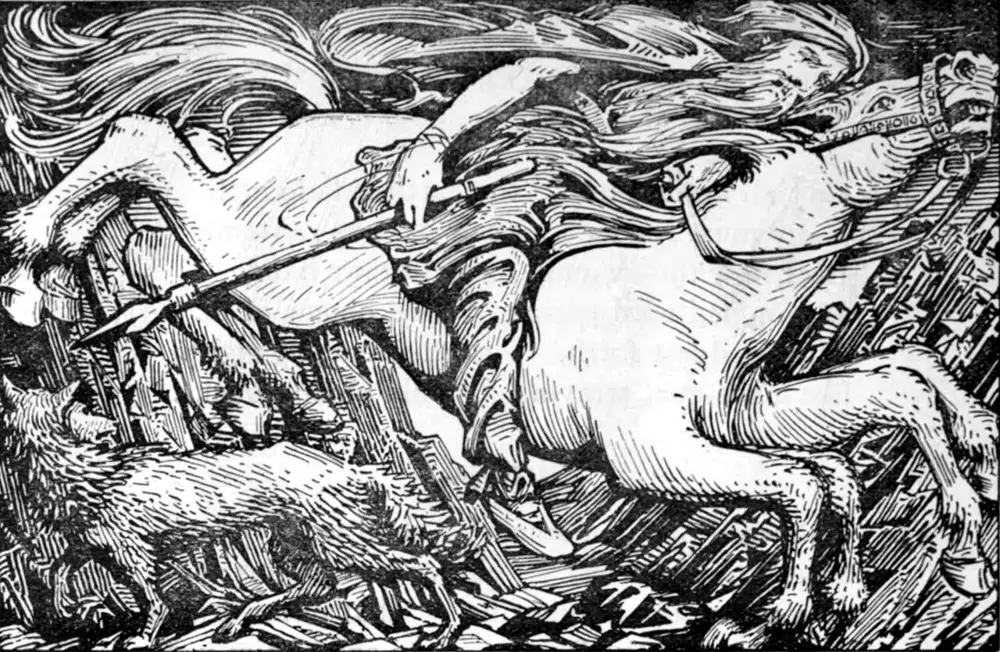
Odin

wisdom, poetry, war

Norse

Thor

thunder, protection of gods and people, strength

Norse

Sif

golden hair, grain (by later reading)

Norse

Freyr

peace, fertility, sunshine

Norse

Freyja

love, desire, magic (seiðr)

Norse

Týr

law, oaths, war

Egyptian

Atum

creator, the completed one

Compare across cultures