Yoruba (Orisha)
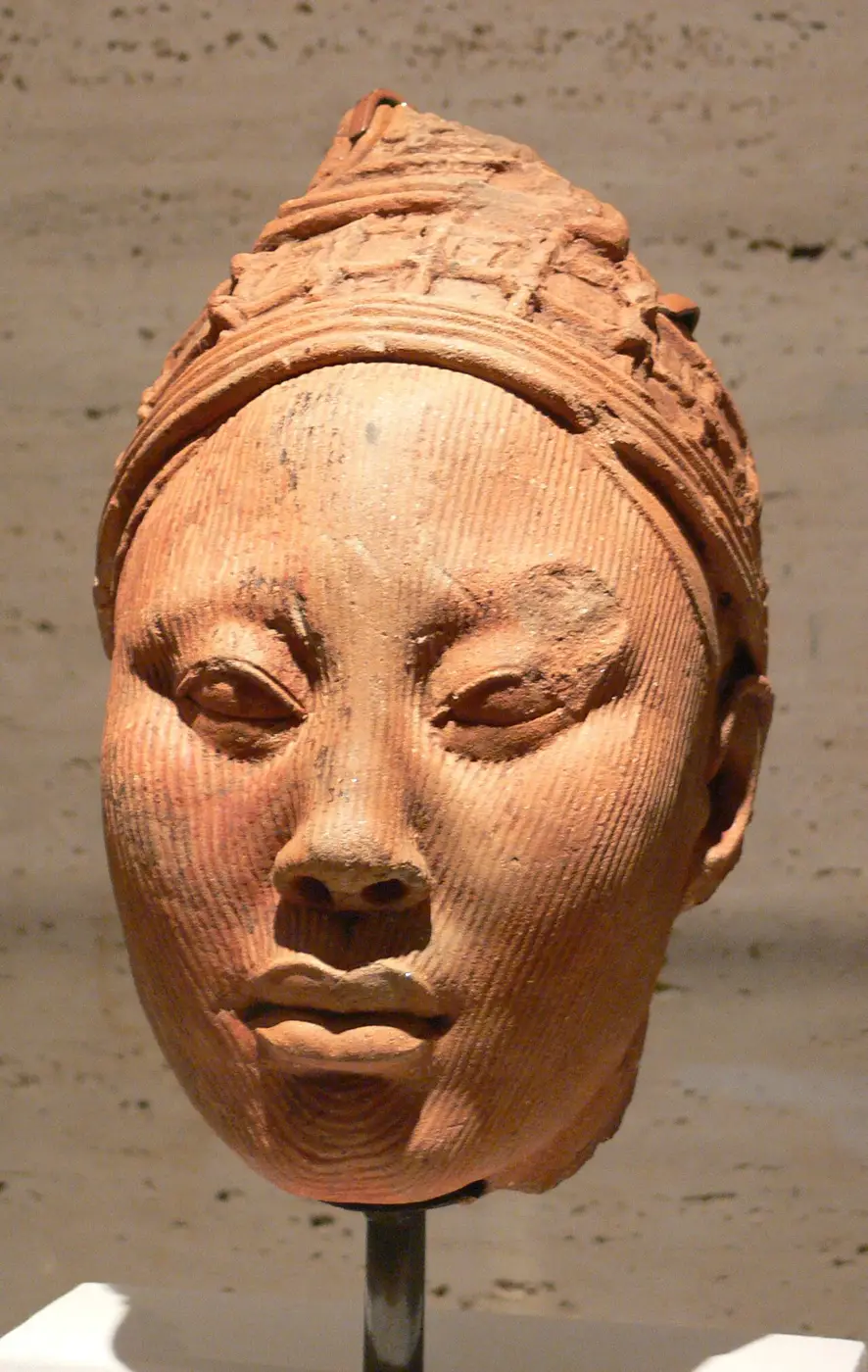
South-west Nigeria, Benin and Togo, and the Americas.
There is no single canon. Tradition is carried in oral verse: Ifá divination contains 256 odu with thousands of verses (ese), which recount the orishas' deeds. Local towns emphasise different orishas, and the diaspora forms rework them. Because of this, kinship between orishas is rarely given as a single genealogy; this section shows relationships only where they are widely told, and many are shown as links, not family lines.
Family graph
Parent lines run downward, partners are joined by a thicker line. Select a deity to trace its ancestry.
The deities
Today
The Yoruba religion is a living tradition practised by millions in Nigeria, Benin and Togo, and, through the diaspora, as Lucumí/Santería in Cuba, Candomblé in Brazil, and in many other forms. The orishas are worshipped, not studied as myths, and their stories are best known from priests of Ifá (babalawo) and the oral Ifá corpus rather than from fixed books.
More traditions
Sources used
- Ifá divination corpus (Odu Ifá), oral, transcribed by e.g. William Bascom, Ifa Divination (1969)
- Samuel Johnson, The History of the Yorubas (1921)
- Wande Abimbola, Ifá: An Exposition of Ifá Literary Corpus (1976)
- Oral traditions of Ile-Ife and Oyo