Tefnut

Egyptian tradition. See the whole pantheon.
Domains
moisture, the lion's rage
Symbols and attributes
Lioness
Parents (per the sources used)
Atum
Partner
Shu
Children
Geb, Nut
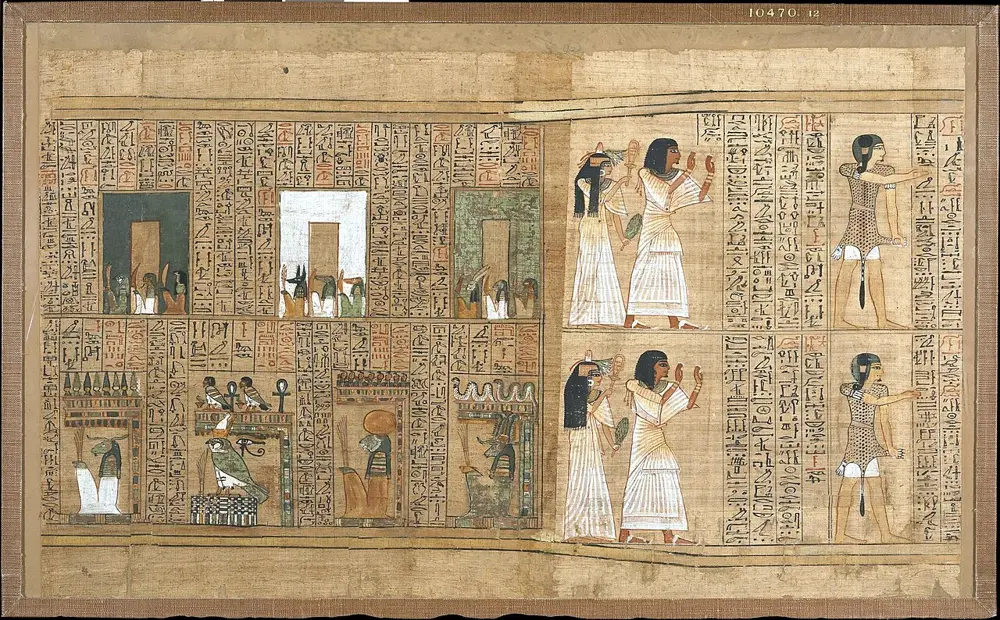
Papyrus of Ani, British Museum (New Kingdom), a Book of the Dead.

Key myth

Shu's sister and companion. In the 'Distant Goddess' myth she withdraws to Nubia in anger and is coaxed back by Thoth.

Where sources differ or caution applies. The Pyramid Texts call Shu and Tefnut Atum's children; later texts treat them as a pair.

Primary sources

  • Pyramid Texts 1248
  • Myth of the Eye of the Sun (Demotic)

All sources for the Egyptian pantheon

Lineage in the sources used: Atum, Nun.

Place in the family graph

Choose a deity to see where it comes from. Dashed lines are links the sources describe that are not parent and child.

NunAtumRaAmunShuTefnutMaatHathorSekhmetPtahGebNutAnubisThothSobekOsirisIsisSethNephthysHorus

More traditions

Elsewhere in the world

Deities in other traditions who share a theme with Tefnut: sky, storm and thunder. This is overlap in one area only.

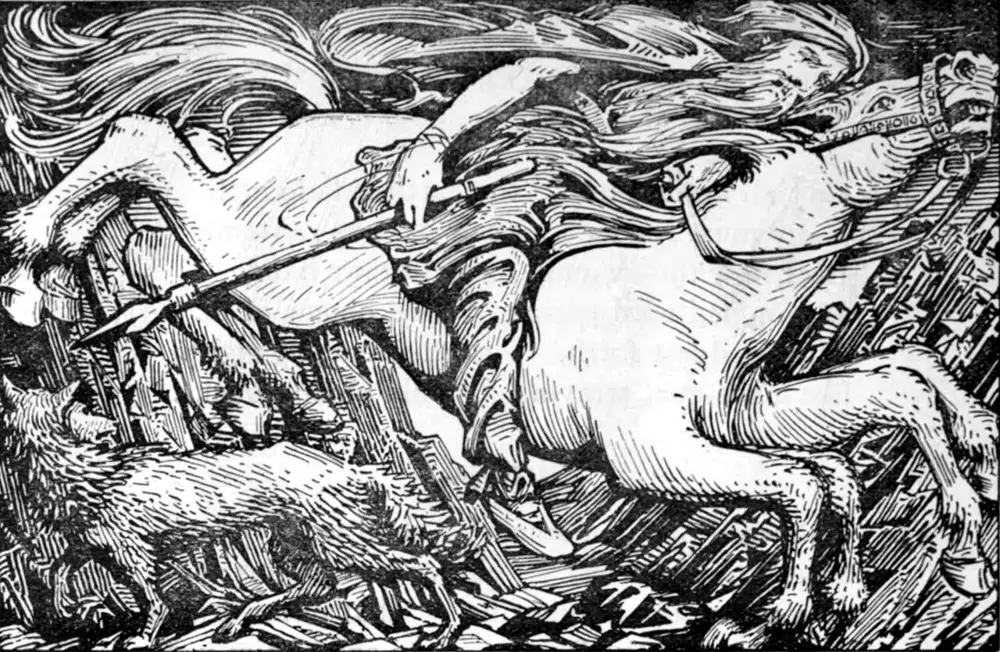
Norse

Thor

thunder, protection of gods and people, strength

Norse

Freyr

peace, fertility, sunshine

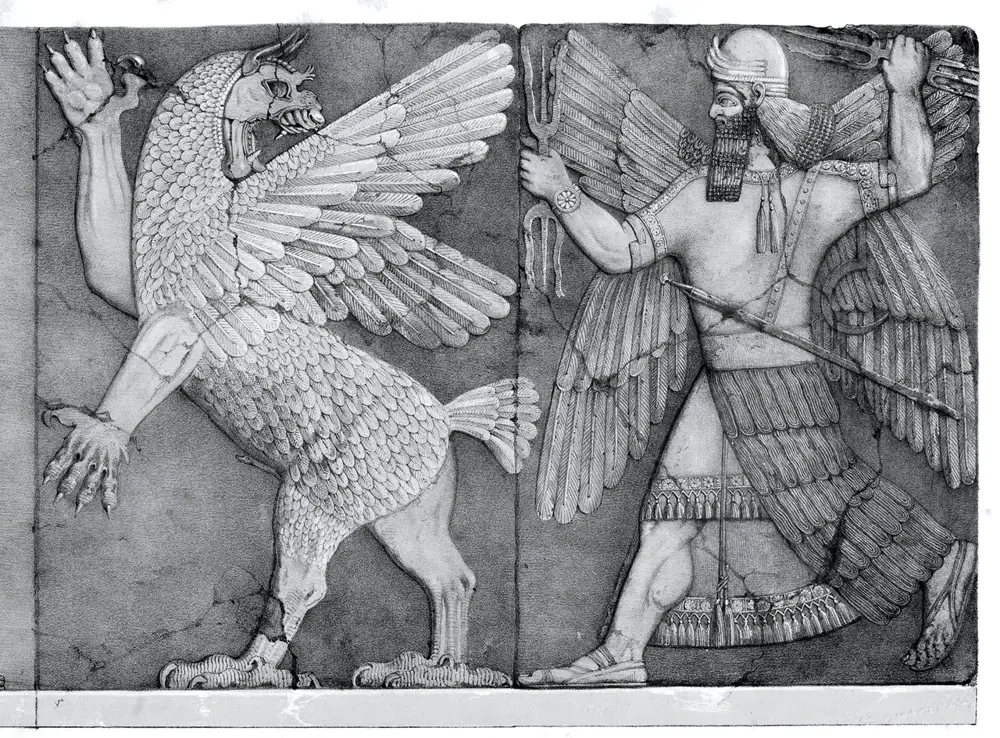
Mesopotamian

Enlil

wind, command, the fates of cities

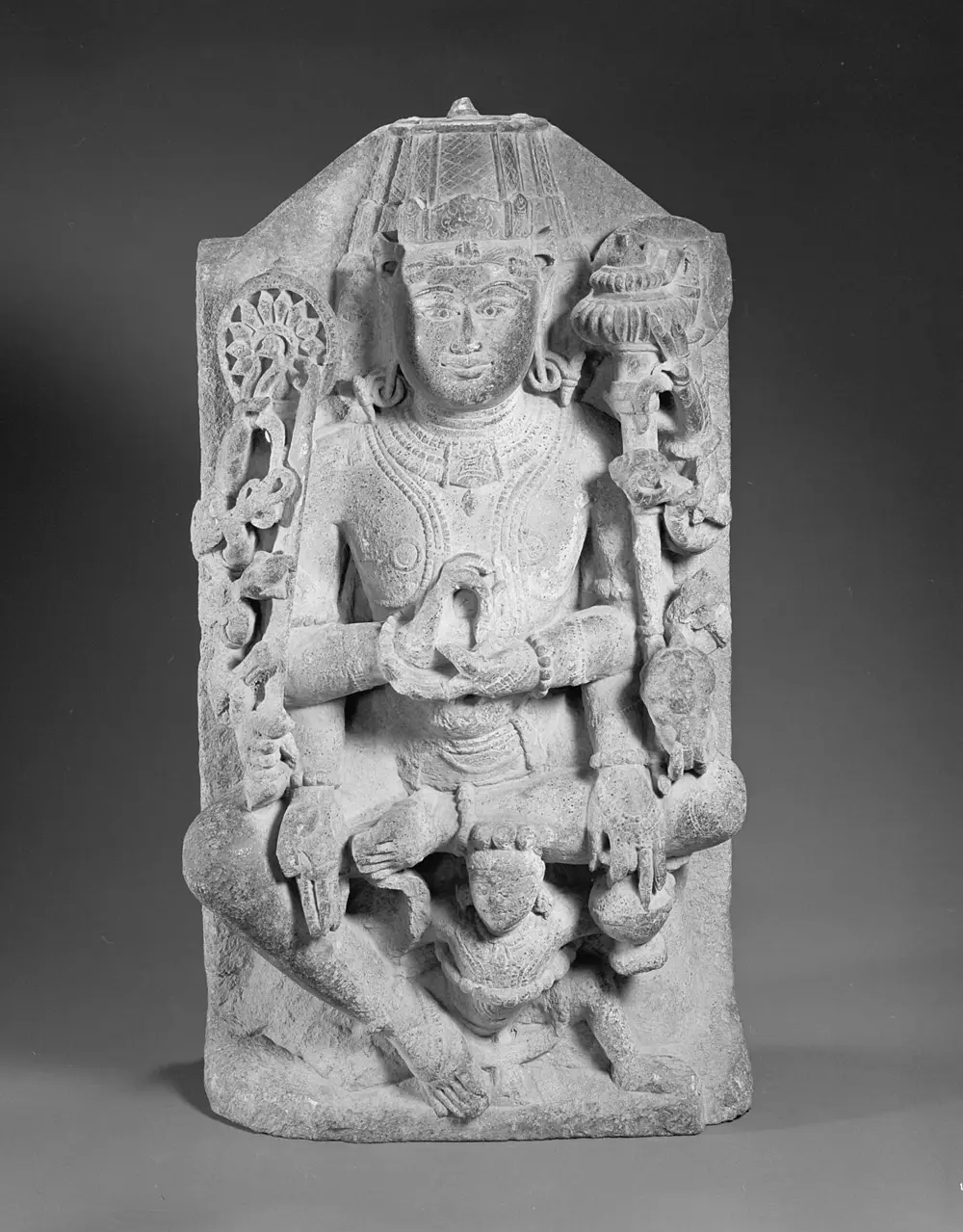
Hindu

Indra

thunder, rain, kingship of the Vedic gods

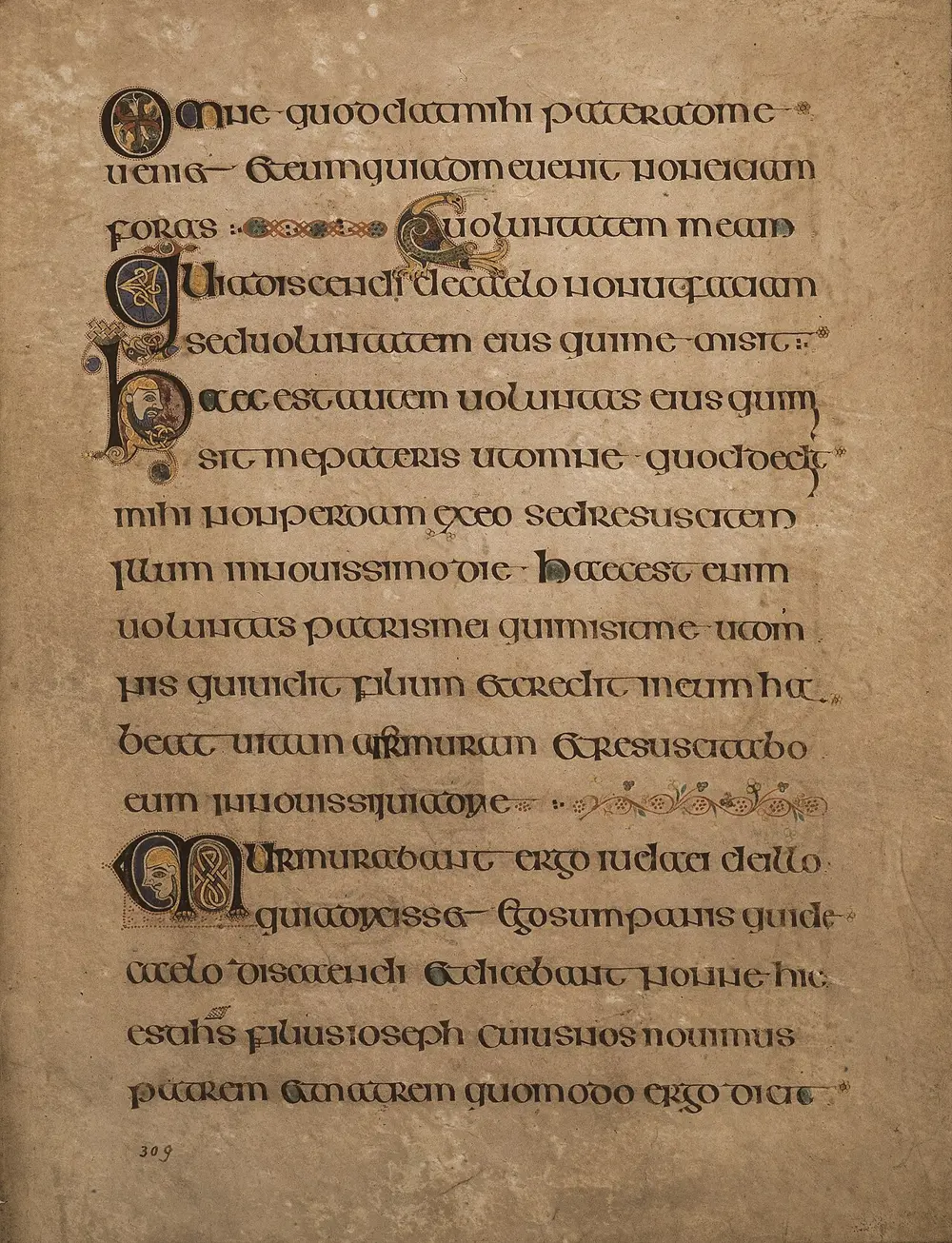
Celtic (Irish)

Lugh

skill in all arts, kingship, the sun (in later readings)

Japanese (Shinto)

Susanoo

storms, the sea (in some versions), the land of Izumo

Compare across cultures