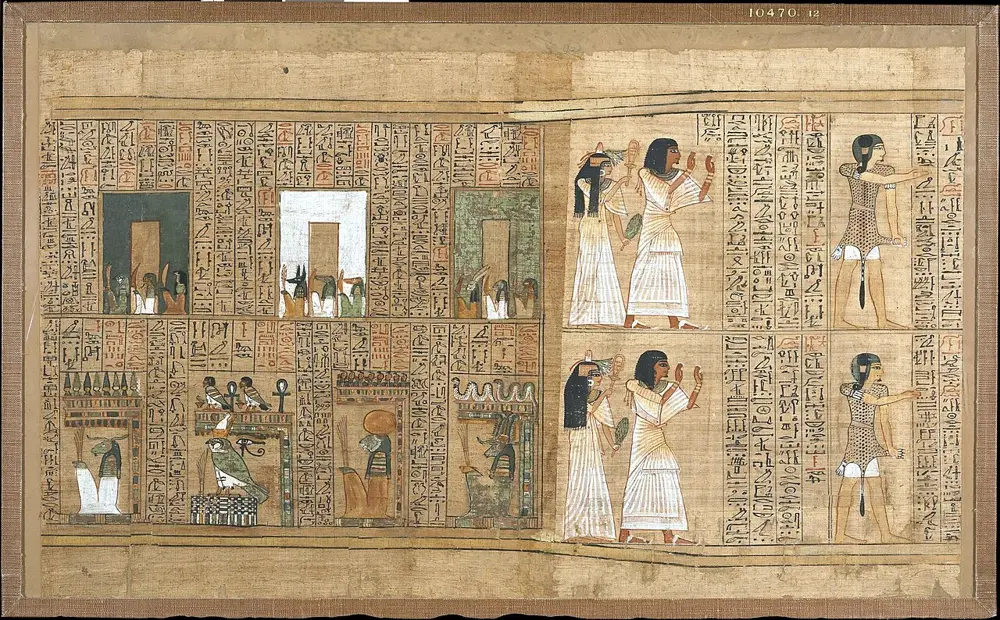
Egyptian
Seth
storm, desert, chaos
Norse tradition. See the whole pantheon.
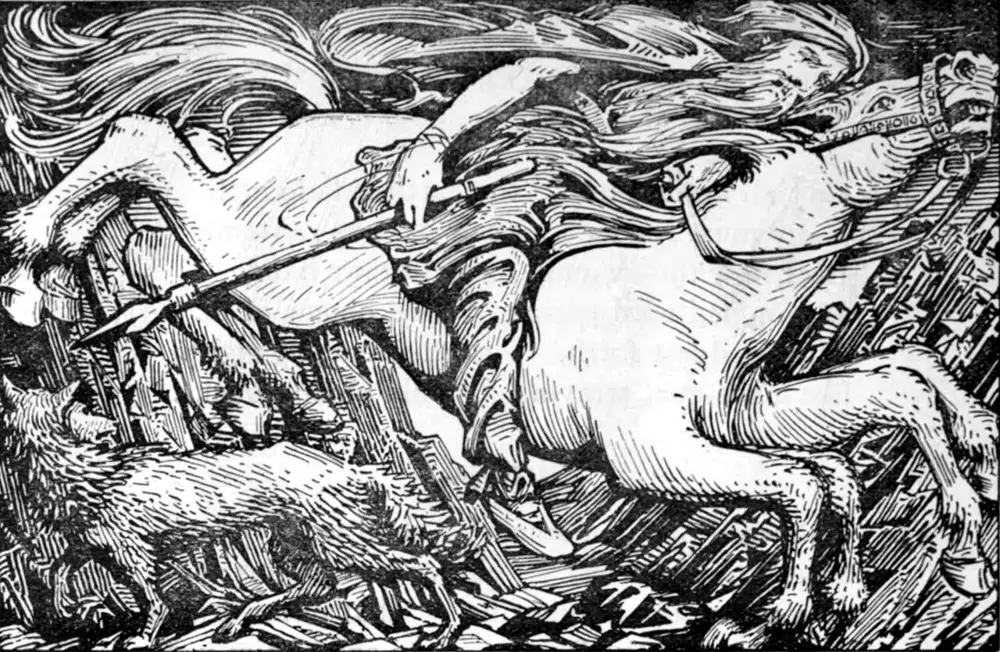
Counted among the Æsir yet son of giants. He bore Odin's horse Sleipnir after turning mare to lure a stallion, fathered Fenrir, Jörmungandr and Hel, and engineered Baldr's death. In Lokasenna he insults the whole company and is bound to a rock with a serpent's venom dripping.
Deities in other traditions who share a theme with Loki: trickery, boundaries and travel. This is overlap in one area only.
Egyptian
storm, desert, chaos
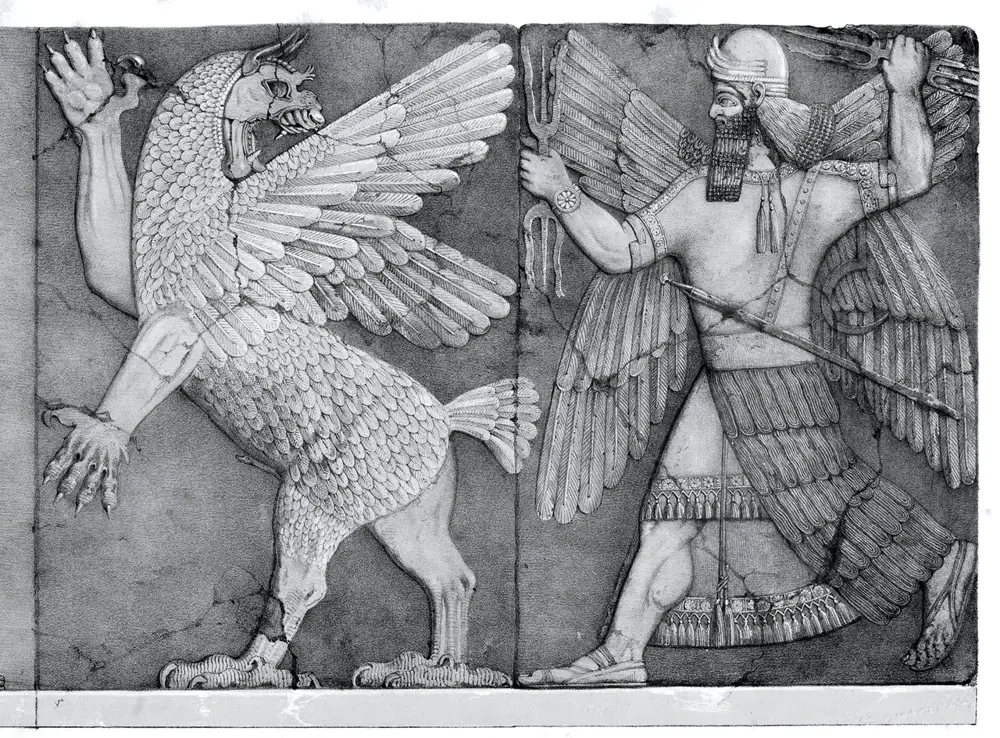
Mesopotamian
fresh water, wisdom, craft
Celtic (Irish)
the sea, the otherworld
Japanese (Shinto)
storms, the sea (in some versions), the land of Izumo
Aztec (Mexica)
night, fate, sorcery
Yoruba (Orisha)
crossroads, messenger, communication
Slavic
cattle, wealth, the underworld (inferred)
Roman
trade, messengers, travellers