Seth

Egyptian tradition. See the whole pantheon.
Domains
storm, desert, chaos, foreign lands
Symbols and attributes
The Seth animal, of uncertain identity
Parents (per the sources used)
Geb and Nut
Partner
Nephthys
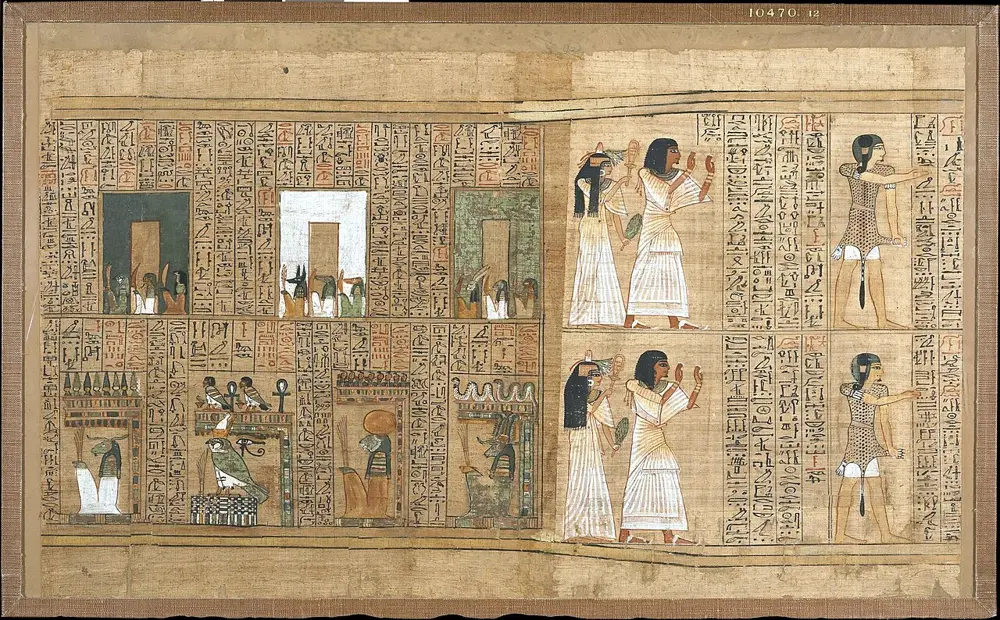
Papyrus of Ani, British Museum (New Kingdom), a Book of the Dead.

Key myth

He killed Osiris and contested Horus's inheritance. In other texts he guards the solar barque and kills the serpent Apep, so he is not simply an evil figure.

Where sources differ or caution applies. His fortunes changed: protector of kings in the New Kingdom, demonised in the Late Period.

Primary sources

  • Pyramid Texts
  • Contendings of Horus and Seth (Papyrus Chester Beatty I)

All sources for the Egyptian pantheon

Lineage in the sources used: Geb, Shu, Atum, Nun, Tefnut, Nut.

Place in the family graph

Choose a deity to see where it comes from. Dashed lines are links the sources describe that are not parent and child.

NunAtumRaAmunShuTefnutMaatHathorSekhmetPtahGebNutAnubisThothSobekOsirisIsisSethNephthysHorus

More traditions

Elsewhere in the world

Deities in other traditions who share a theme with Seth: war and fighting, sky, storm and thunder, trickery, boundaries and travel. This is overlap in one area only.

Norse

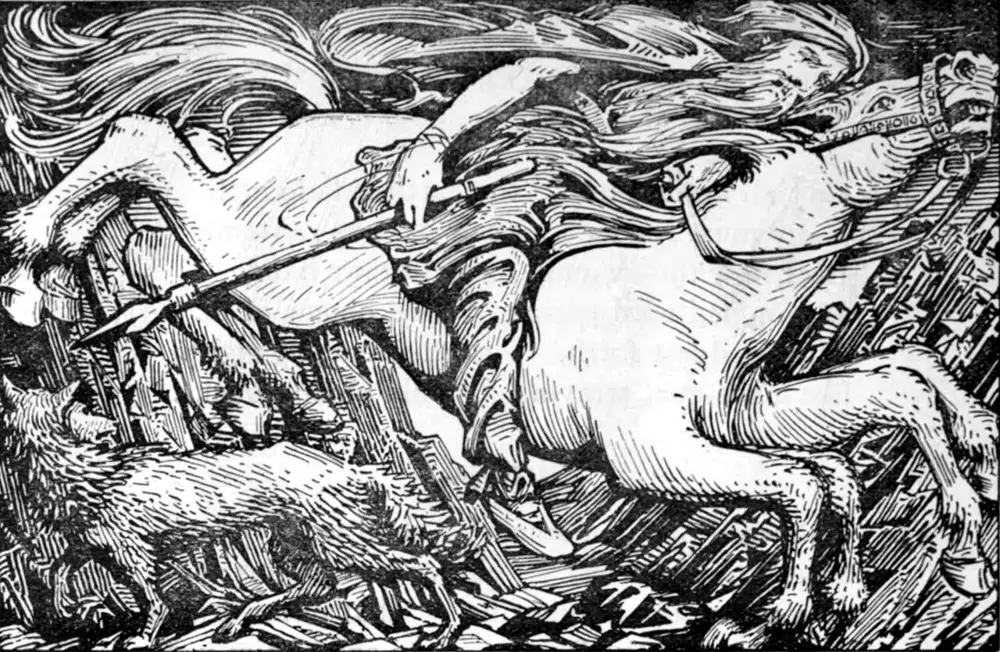
Odin

wisdom, poetry, war

Norse

Thor

thunder, protection of gods and people, strength

Norse

Loki

trickery, shape-changing

Norse

Freyr

peace, fertility, sunshine

Norse

Freyja

love, desire, magic (seiðr)

Norse

Týr

law, oaths, war

Mesopotamian

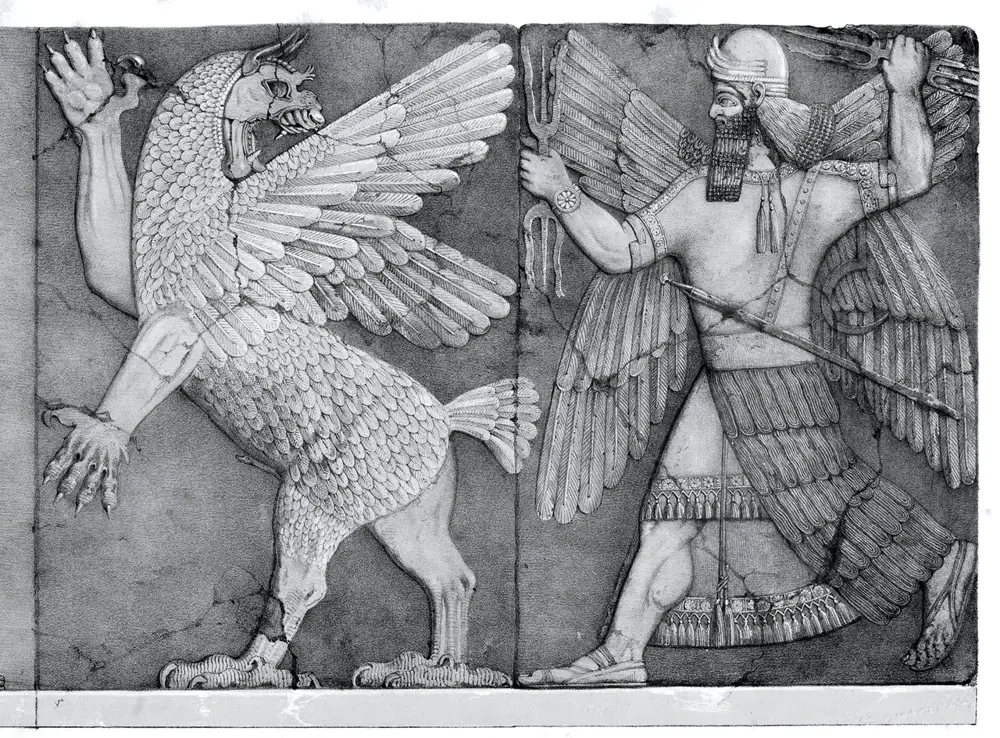
Enlil

wind, command, the fates of cities

Compare across cultures