Èṣù

Also: Elegba, Legba, Eleggua

Yoruba (Orisha) tradition. See the whole pantheon.

Domains
crossroads, messenger, communication, trickery
Symbols and attributes
Crossroads; hat in two colours
messenger between
Olodumare
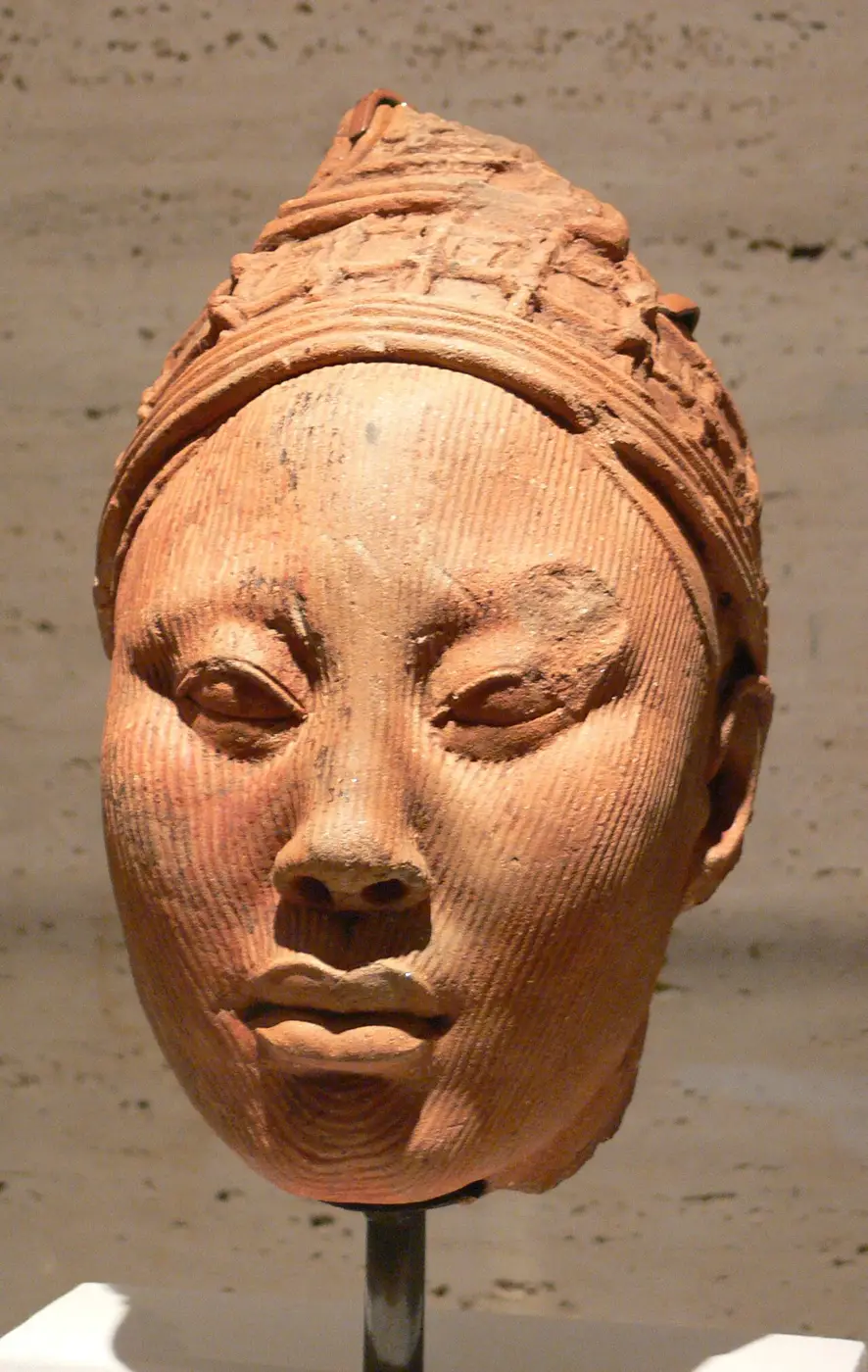
Bronze head from Ife, Nigeria, c. 12th-15th century, Kimbell Art Museum.

Key myth

He carries sacrifices to the other orishas and is honoured first at ceremonies. In a well-known story, he walked between two friends wearing a hat red on one side and black on the other, and made them quarrel about what they saw.

Where sources differ or caution applies. Christian missionaries equated Èṣù with the devil; this is not a Yoruba understanding. He is an upholder of balance.

Primary sources

  • Ifá corpus (many odu)
  • Bascom, Ifa Divination

All sources for the Yoruba (Orisha) pantheon

Place in the family graph

Choose a deity to see where it comes from. Dashed lines are links the sources describe that are not parent and child.

OlodumareObàtáláOdùduwàỌrúnmìlàÈṣùÒgúnṢàngóỌyaỌ̀ṣunYemọjaOlókunỌ̀sanyìn

More traditions

Elsewhere in the world

Deities in other traditions who share a theme with Èṣù: trickery, boundaries and travel, wisdom, writing and divination. This is overlap in one area only.
Norse

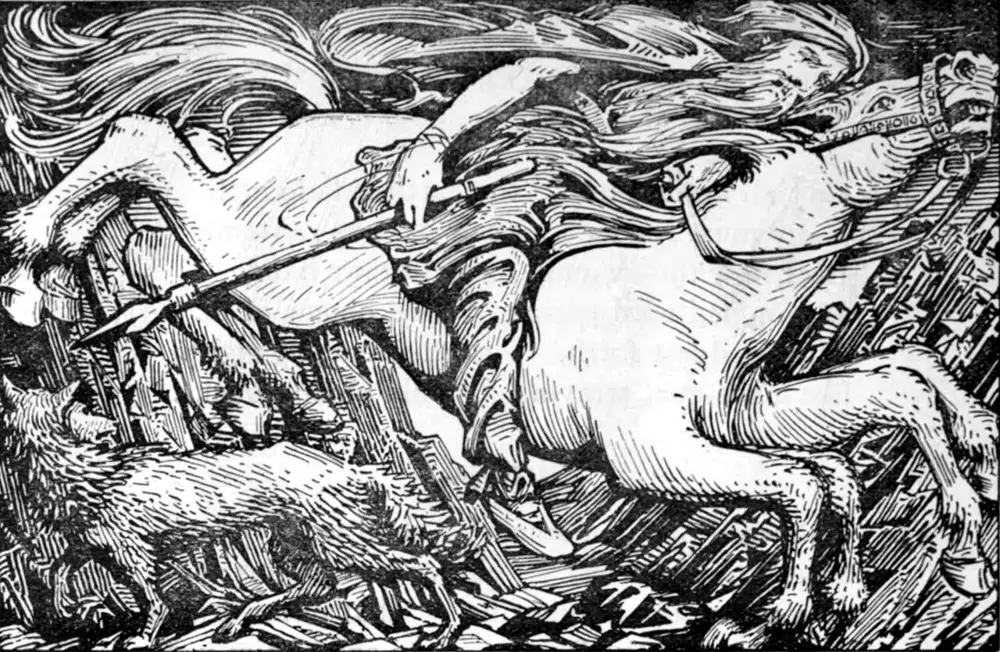
Odin

wisdom, poetry, war

Norse

Frigg

foresight, marriage, motherhood

Norse

Loki

trickery, shape-changing

Egyptian

Isis

magic, protection, motherhood

Egyptian

Seth

storm, desert, chaos

Egyptian

Thoth

writing, moon, wisdom

Egyptian

Maat

truth, order, justice

Compare across cultures