Ṣàngó
Yoruba (Orisha) tradition. See the whole pantheon.
- Domains
- thunder, justice, kingship
- Symbols and attributes
- Double-headed axe (oṣé); ram
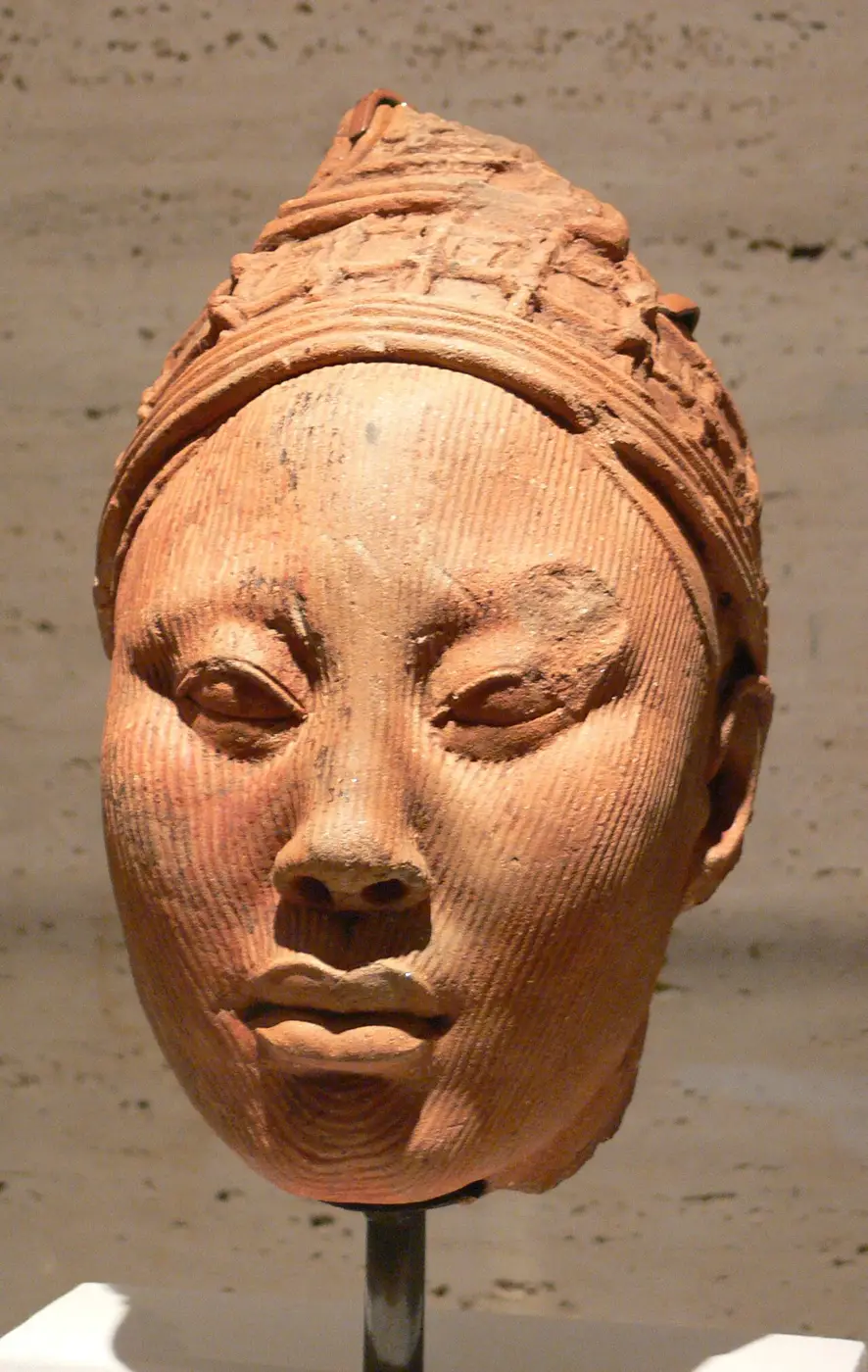 Bronze head from Ife, Nigeria, c. 12th-15th century, Kimbell Art Museum.
Key myth
The Oyo tradition remembers him as a king of the Oyo, who became an orisha after his death. His stories include fire and lightning.
Where sources differ or caution applies. Whether Shango was a human king deified or always an orisha is explained differently by different groups.
Place in the family graph
Choose a deity to see where it comes from. Dashed lines are links the sources describe that are not parent and child.
Elsewhere in the world
Deities in other traditions who share a theme with Ṣàngó: sky, storm and thunder, war and fighting. This is overlap in one area only.
Norse
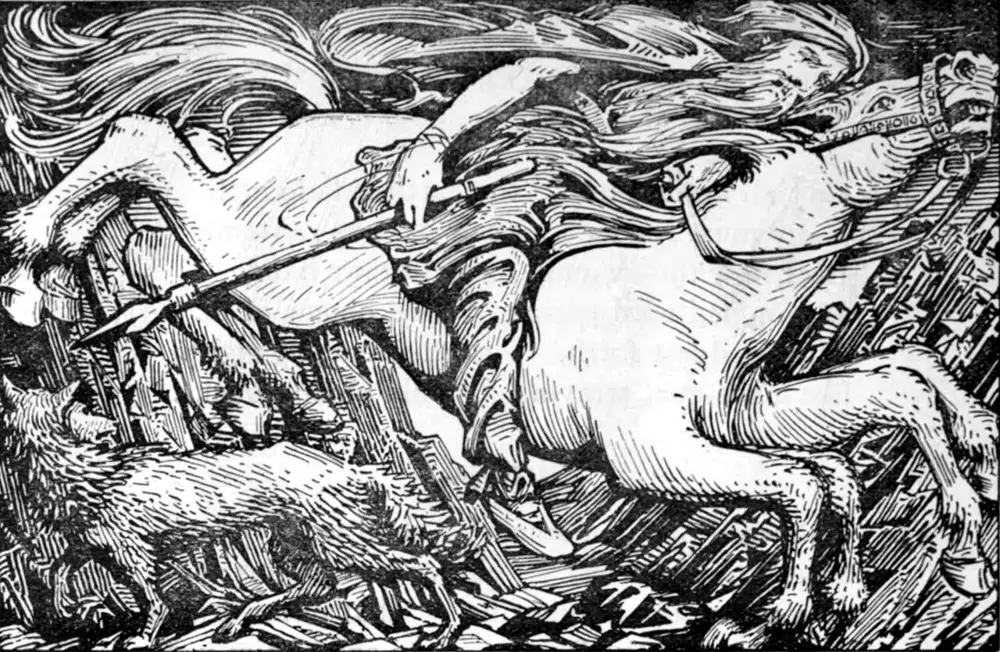
wisdom, poetry, war
Norse
thunder, protection of gods and people, strength
Norse
peace, fertility, sunshine
Norse
love, desire, magic (seiðr)
Norse
law, oaths, war
Egyptian
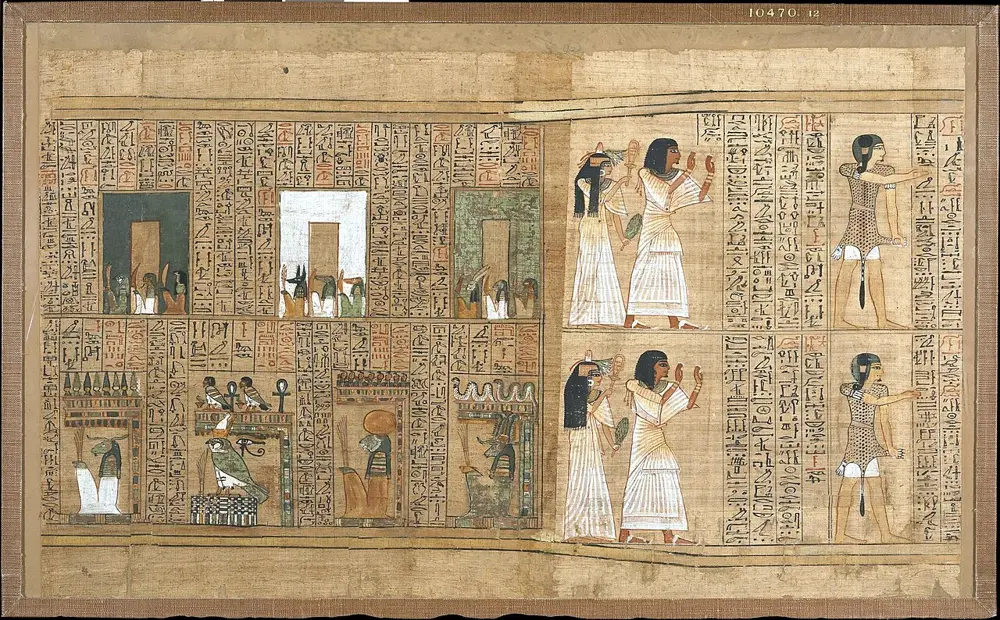
air, sunlight
Egyptian
moisture, the lion's rage
Egyptian
sky, stars
Compare across cultures